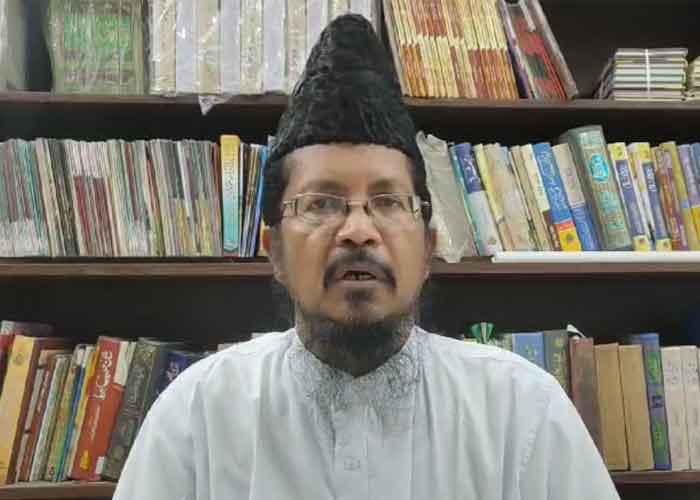
Bareilly, August 18, 2026 (Yes Punjab News)
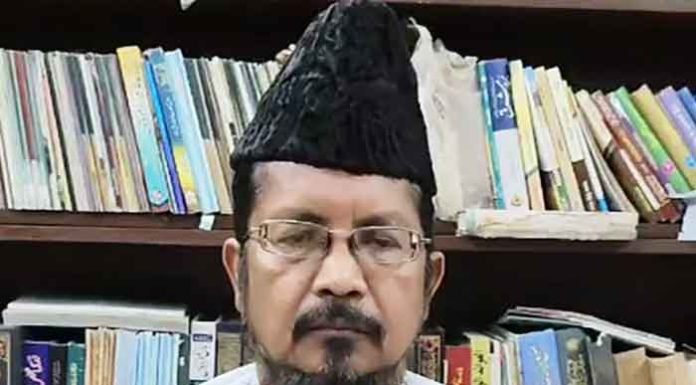
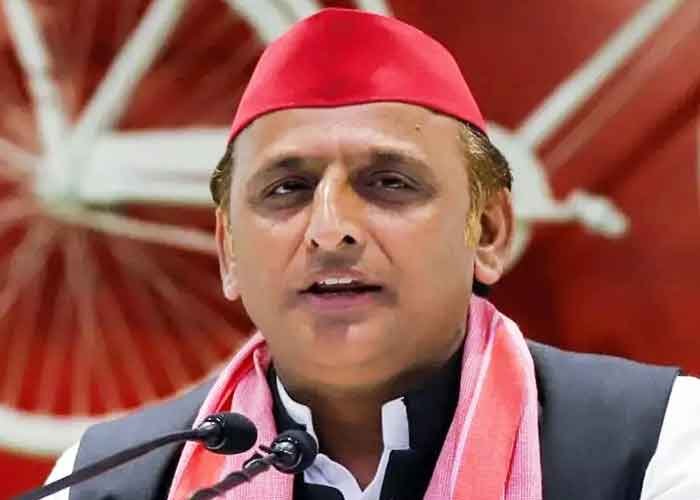
All India Muslim Jamaat president Maulana Mufti Shahabuddin Razvi on Tuesday accused Samajwadi Party (SP) chief Akhilesh Yadav and Muslim leaders associated with what he called “so-called secular parties” of instilling fear among Muslims and campaigning against the Bharatiya Janata Party (BJP).
With the Uttar Pradesh Assembly elections approaching, Razvi appealed to members of the Muslim community to move away from what he described as a “politics of opposition” and adopt a more positive political approach.
Speaking to IANS, the cleric said Muslims in India were able to pursue their religious, political and social activities freely and should not live in fear.
“There is no fear anywhere in the country, no terror, and in fact there is no need to be afraid. This land is ours, it belongs to our ancestors, why should we fear anyone? Muslims are a community which only dreads the Almighty, not any person,” he said.
Targeting the SP, Razvi alleged that Muslim leaders of secular parties and Akhilesh Yadav visit Muslim-dominated areas and “spread poison” against the BJP.
He said Muslims should not consider it their responsibility to defeat the BJP electorally, naming Akhilesh Yadav, Tejashwi Yadav, Sharad Pawar, Mamata Banerjee and Arvind Kejriwal among leaders who, he argued, should shoulder that responsibility.
Razvi claimed that Muslims had spent nearly a decade opposing the BJP and that the political gains had primarily benefited the SP and other parties claiming to be secular, while the community itself had become weaker.
He also alleged that Akhilesh Yadav was privately coordinating with the BJP, and cited the instance of Kalyan Singh’s splinter group, the Rashtriya Kranti Party, extending legislative support to the Mulayam Singh Yadav government in 2004.
Appealing to Muslims to avoid unnecessary confrontation, Razvi said the community should stop pursuing “politics of opposition” and instead support leaders who describe themselves as powerful.
He urged Muslims to adopt what he called positive politics, warning that otherwise the community could continue to bear the consequences of political decisions in the coming years.
 FOLLOW NOW