Chandigarh, August 19, 2026 (Yes Punjab News)
As monsoon conditions increase the risk of mosquito breeding, Punjab is intensifying surveillance, testing and preventive measures against dengue, malaria, chikungunya and other vector-borne diseases, while the Mukh Mantri Sehat Yojana (MMSY) is helping eligible patients access cashless treatment.
The state has recorded a significant decline in dengue cases in recent years. According to the health department, cases fell from 23,389 in 2021 to 4,981 in 2025, while deaths declined from 55 to eight. Health and Family Welfare Minister Dr Balbir Singh attributed the improvement partly to proactive house-to-house surveillance, with around 15 million visits conducted during the previous transmission season.
The state has also continued the “Har Shukarvaar Dengue Te Vaar” campaign, encouraging students, teachers and health workers to inspect their surroundings every Friday and remove stagnant water from coolers, flower pots, overhead tanks and other containers where mosquitoes can breed.
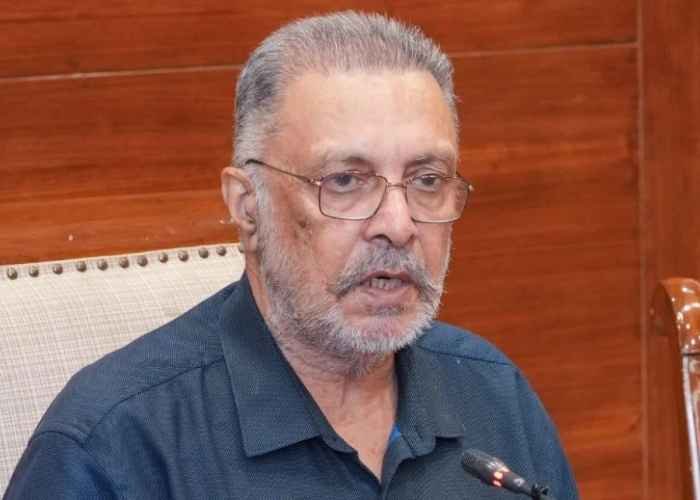
Dr Balbir Singh stressed that preventing mosquito-borne diseases requires participation beyond the health department.
“Mosquito-borne diseases need a community-wide response. Prevention cannot remain the responsibility of the health department alone. Every household, school and institution must ensure that stagnant water does not become a breeding ground for mosquitoes,” he said.
Punjab has expanded diagnostic services as well. Free ELISA testing for dengue and chikungunya is available at 47 Sentinel Surveillance Hospitals, while malaria rapid diagnostic testing and dengue testing have also been expanded.
Medical specialist Dr Shifali Choudhary of District Hospital, Mohali, advised people not to dismiss persistent fever as a routine monsoon illness.
“Mosquito-borne diseases can cause havoc when symptoms are ignored or treatment is delayed. Persistent fever, severe weakness, intense body or joint pain, repeated vomiting, unusual bleeding, breathing difficulty or dehydration should prompt medical attention,” she said.
Meanwhile, MMSY data show that 351 beneficiaries received 357 treatments for mosquito-borne diseases, involving expenditure of Rs 89.35 lakh.
Of these, 250 patients underwent 256 treatments at P-type hospitals at a cost of Rs 75.02 lakh, while 101 patients received 101 treatments at G-type hospitals, involving Rs 14.28 lakh.
Women accounted for 194 beneficiaries and 199 treatments, while men accounted for 157 beneficiaries and 158 treatments. The 31-45 age group recorded the highest number of beneficiaries, at 102, receiving 105 treatments. This was followed by the 46-60 age group, with 80 beneficiaries and 80 treatments.
Dengue accounted for the largest share of the treatment burden, including cases of dengue fever, dengue haemorrhagic fever and dengue shock syndrome. The records included 51 treatments costing Rs 12.22 lakh, 25 treatments costing Rs 9.11 lakh and 55 treatments costing Rs 8.46 lakh for key dengue treatment categories.
Multiple malaria cases, including complicated malaria, and several chikungunya treatments were also recorded. Some severe cases required interventions such as blood transfusions and advanced imaging, as well as treatment for complications including renal failure and severe sepsis.
Dr Choudhary said cashless healthcare could help prevent financial concerns from delaying treatment.
“Mukh Mantri Sehat Yojana is helping people across Punjab seek timely medical care without the immediate burden of arranging treatment expenses. Cashless access can be especially valuable when an illness requires emergency and hospitalisation,” she said.
The state’s strategy combines mosquito surveillance and elimination of breeding sites with expanded diagnostic facilities and financial access to treatment, placing community participation at the centre of efforts to control vector-borne diseases during the monsoon.
 FOLLOW NOW