
New Delhi, August 19, 2026 (Yes Punjab News)
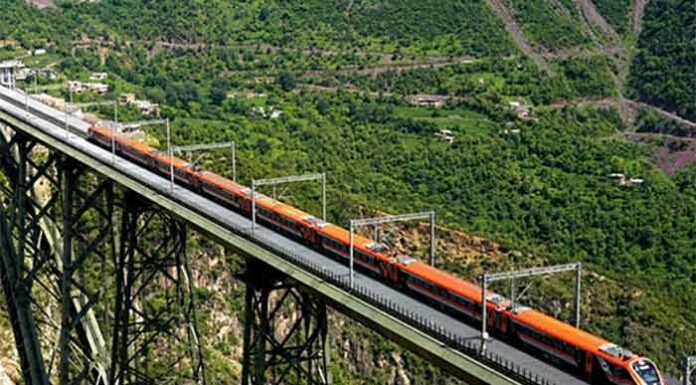
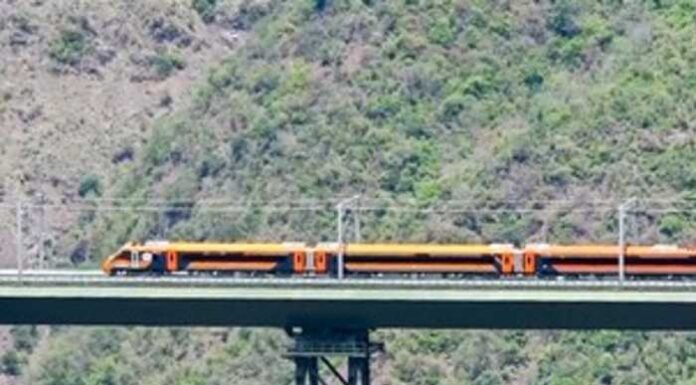
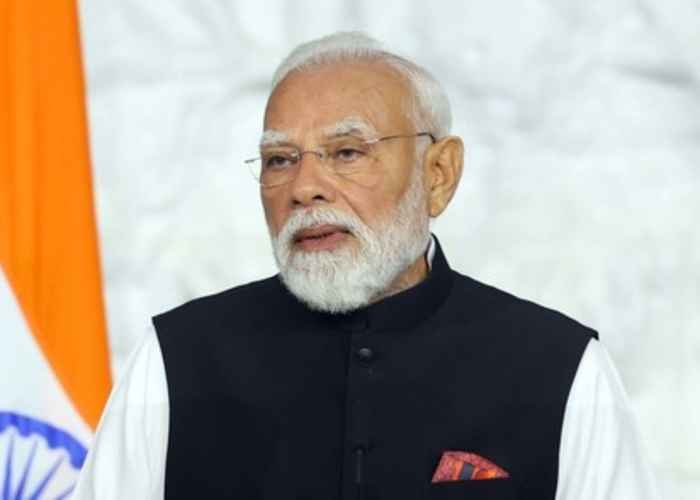
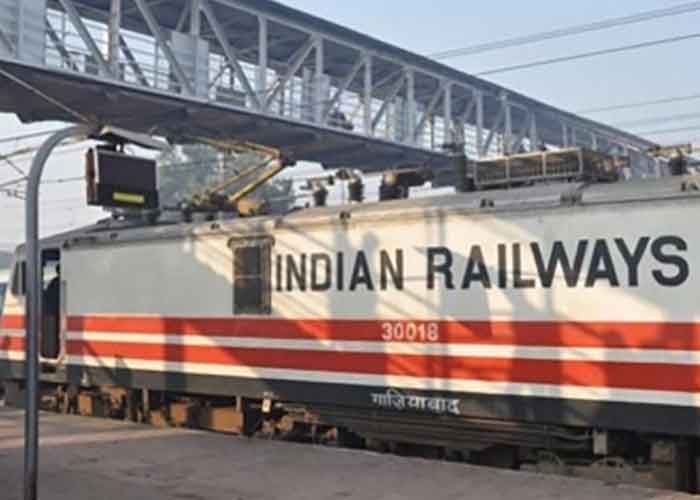
The Cabinet Committee on Economic Affairs (CCEA), chaired by Prime Minister Narendra Modi, on Wednesday approved four multi-tracking railway projects involving a total investment of Rs 9,450 crore.
The projects, which are scheduled for completion by 2030-31, will add about 410 km to the Indian Railways network across West Bengal, Odisha, Andhra Pradesh and Tamil Nadu.
According to the Cabinet, the approved projects are:
- Kharagpur-Bhadrak (Ranital) fourth line: 173 km across West Bengal and Odisha.
- Bhadrak-Haridaspur fourth line: 75 km in Odisha.
- Gummidipundi-Gudur third and fourth lines: 90 km across Andhra Pradesh and Tamil Nadu.
- Cuttack-Paradeep (Badabandha) third and fourth lines: 72 km in Odisha.
The additional lines are expected to ease congestion, increase route capacity and improve the operational efficiency and reliability of railway services.
The projects have been planned under the PM Gati Shakti National Master Plan, with an emphasis on integrated planning, multi-modal connectivity and improved logistics efficiency. They are expected to facilitate smoother movement of passengers, goods and services.
The four projects will cover eight districts and improve rail connectivity to around 6,448 villages with a combined population of nearly 60 lakh, the Cabinet said.
The enhanced network will also improve access to several tourist and religious destinations, including Kuldiha Wildlife Sanctuary, Bhitarkanika National Park, Maa Bhadrakali Temple, Maa Dhamarai Temple, Panchalingeswar Temple, Talsari-Udaypur and Chandipur beaches, Pulicat Lake, Nelapattu Bird Sanctuary, Lord Veeraraghava Perumal Temple, Gada Kujanga Jagannath Temple, Sarala Temple, Dhabaleswar Temple and Lalitgiri Buddhist site.
The routes are also important for transporting coal, iron ore, cement, iron and steel, containers, automobiles and foodgrains. The capacity expansion is expected to facilitate an additional 76 million tonnes per annum of freight traffic.
The government said the projects would also contribute to environmental and economic gains by shifting more freight to rail. The expanded rail network is estimated to help save around 13 crore litres of oil and reduce carbon dioxide emissions by approximately 65 crore kg, equivalent to the plantation of about 2.60 crore trees.
The projects are part of the government’s broader push to strengthen infrastructure, improve logistics and support regional economic development.
 FOLLOW NOW