
Islamabad, August 4, 2026 (Yes Punjab News)
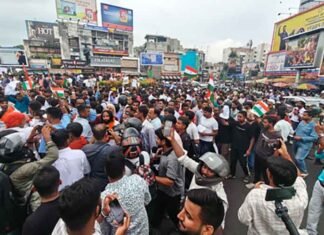
Pakistan is facing renewed criticism over its handling of unrest in Pakistan-occupied Jammu and Kashmir (PoJK), with a recent analysis alleging that Islamabad continues to exercise political and military control over the region through constitutional restrictions, political manipulation and security measures.
According to a report published in Eurasia Review, remarks by Pakistan’s Defence Minister Khawaja Asif, who reportedly described PoJK protesters as “enemies” and linked them with India, reflect Islamabad’s approach towards dissent in the region. The report argues that such statements reinforce allegations that PoJK is treated as a colony rather than a genuinely autonomous territory.
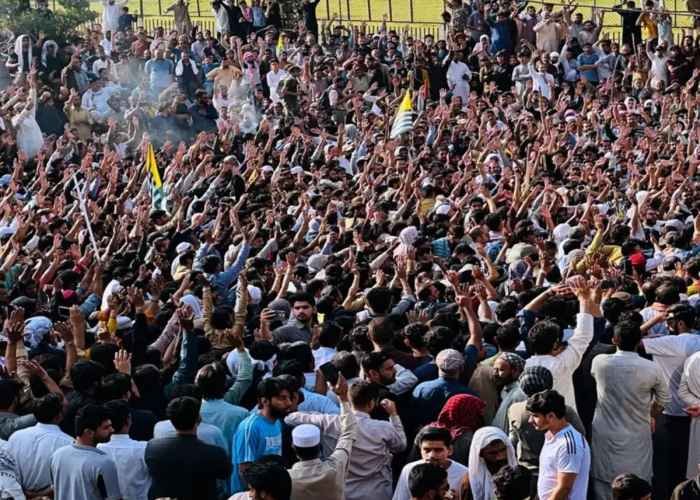
The report states that transporters, lawyers, students and other civil society groups formed the Jammu and Kashmir Joint Awami Action Committee (JKJAAC) in 2023 after expressing dissatisfaction over what they described as prolonged political neglect and institutional apathy. The organisation subsequently gained public support by demanding economic relief and governance reforms.
Among its key demands were lower electricity tariffs based on the production cost of power generated from the Mangla Dam, subsidised wheat flour, an end to privileges enjoyed by politicians and bureaucrats, and the abolition of 12 seats in the PoJK Legislative Assembly reserved for refugees from Jammu and Kashmir. According to the report, the committee alleges these reserved seats have been used by successive governments to influence political outcomes.
Public protests first erupted in 2023 over rising flour prices and electricity tariffs, prompting the PoJK government to announce subsidies and freeze power tariffs. However, the report claims inadequate implementation of these commitments led to renewed demonstrations in 2024 and 2025, with the current wave of unrest indicating continued public dissatisfaction.
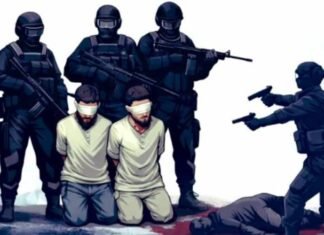
The Eurasia Review report further alleges that Pakistani authorities have responded to the protests with force, resulting in fatalities and injuries, while also banning the JKJAAC under anti-terrorism legislation.
According to the report, the latest phase of protests began on June 5 and has since escalated into one of the most significant confrontations between local residents and the Pakistani state in recent decades. Protesters have alleged that more than 50 people have been killed and hundreds injured during security operations over recent weeks.
Amid the continuing unrest, the JKJAAC has written to the Pakistan Red Crescent Society seeking urgent humanitarian assistance for Rawalakot and other affected areas.
In its letter, the organisation described the situation following the events of July 27-28 as a “serious humanitarian and medical emergency,” citing reports of civilian casualties, firearm-related injuries, disrupted ambulance services, limited hospital access and shortages of medicines, blood supplies and trauma care.
The committee appealed for the deployment of independent emergency assessment and medical teams, mobile medical units, ambulances, trained first-aid personnel and temporary treatment centres in the affected areas.
 FOLLOW NOW