

Mumbai, September 3, 2026 (Yes Punjab News)
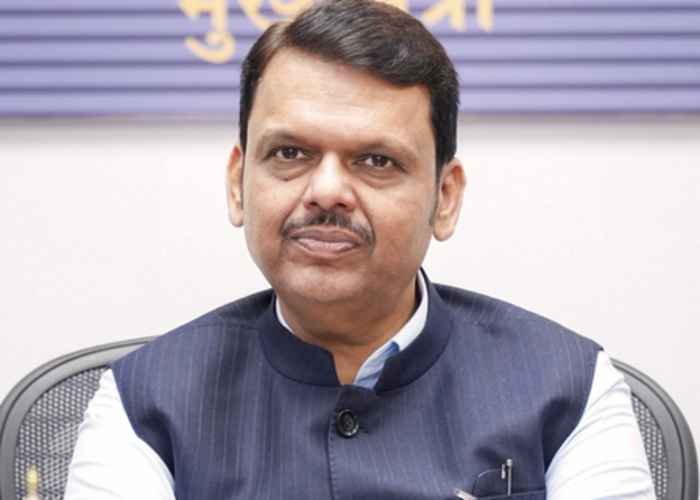
Maharashtra Chief Minister Devendra Fadnavis on Thursday expressed confidence that the state will achieve its target of becoming a $1 trillion economy by 2030, while stressing that the current growth rate of 8.8 per cent needs to cross the 10 per cent mark to comfortably meet the goal.
Addressing queries on Maharashtra’s economic growth trajectory at an infrastructure conclave organised by a Marathi television channel, Fadnavis said the state was well ahead of others pursuing similar targets.
“If any state is closest to achieving the $1 trillion dream today, it is Maharashtra, as our economy has reached $660 billion. We are very close to the trillion-dollar milestone. If we maintain a sustained growth rate, we will undoubtedly become a $1 trillion economy by 2030,” he said.
Fadnavis noted that while major global economies were growing at around 2 to 2.5 per cent amid global challenges, including the oil crisis, India was growing at 7.8 per cent and Maharashtra at 8.8 per cent.
He said the state was targeting double-digit growth, adding that its nominal growth rate was close to 11 per cent. However, he cautioned that nominal growth alone could not determine progress towards a dollar-denominated target, as inflation and currency exchange rates also have an impact.
“Our effort will certainly be to cross the 10% threshold,” he said.
On whether the target would be achieved strictly by 2030, the Chief Minister said fluctuations in the rupee-dollar exchange rate could alter the timeline. He said based on the exchange rate prevailing when the target was announced, Maharashtra could potentially have reached the milestone by 2029.
“Since our goal is denominated in US dollars, changes in dollar value naturally shift the target line. I remain confident that we will achieve this by 2030. Even if we fall slightly short, it will certainly be accomplished by 2031,” Fadnavis said.
Earlier, he described Maharashtra as the country’s primary “growth engine” and highlighted its role in India’s development. He pointed to economic achievements, agricultural welfare schemes and infrastructure plans aimed at transforming the state’s industrial and rural landscape.
Fadnavis said Maharashtra, described by him as India’s largest economy and startup capital, continued to attract significant domestic and foreign investment and generate employment opportunities.
He said the government was also working to decentralise development by turning every district into an independent growth engine. Thirteen districts have already achieved their projected development targets, while special attention is being given to regions such as Gadchiroli, Palghar and Nandurbar.
On water security, Fadnavis said the government was committed to eliminating drought conditions for future generations. River-linking projects would be used to channel water towards historically vulnerable regions, including Marathwada, Vidarbha, North Maharashtra and drought-prone areas of Western Maharashtra.
 FOLLOW NOW