
Paris, September 3, 2026 (Yes Punjab News)
China’s sweeping restrictions on media access to Tibet following devastating flash floods have made it difficult to independently assess the true scale of the disaster, international press freedom organisation Reporters Without Borders (RSF) has said.
RSF expressed concern that no independent Tibetan media outlet or international news organisation has been allowed access to the affected areas. The organisation said the restrictions reflected what it described as Beijing’s long-standing control over media professionals.
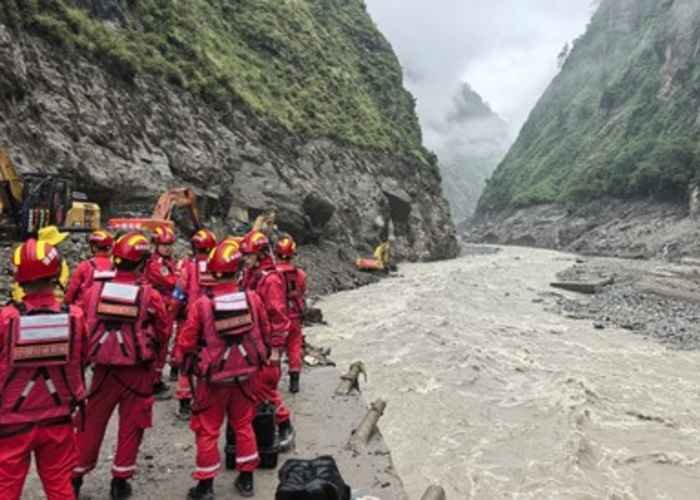
According to RSF, Chinese authorities have authorised only state-controlled media to report on the floods in Tibetan areas. Coverage has largely highlighted the government’s relief and rescue efforts rather than providing an independent assessment of the devastation and its impact on local communities.
Citing China’s state-run Xinjing Bao (The Beijing News), RSF said at least 10 internet users had also been punished for allegedly “spreading rumours” related to the disaster.
Aleksandra Bielakowska, Head of Advocacy for RSF Asia-Pacific, described Tibet as a “de facto information black hole” under Chinese President Xi Jinping’s leadership, alleging that independent Tibetan and international media are not permitted to freely report from the region.
She said information from Tibet is largely controlled by state and propaganda outlets operating under guidelines approved by the Chinese Communist Party’s Propaganda Department, making it difficult to determine the full extent of the tragedy.
Kalsang Jigme, editor-in-chief of independent outlet Tibet Radio, told RSF that information controls appeared tighter than during previous disasters, making it extremely difficult for journalists to assess the situation.
Jigme said Tibetans living in exile had also struggled to contact relatives in the affected areas, with some reluctant to share information publicly out of concern that their families in Tibet could face repercussions.
RSF said information gathered by Tibet Radio indicated that at least 29 Tibetans were believed to have died, compared with China’s official death toll of 16. Tibetan media outlets have suggested the actual number of victims could be significantly higher, although independent verification remains difficult because of restricted access to reliable information.
RSF also highlighted alleged censorship on Chinese social media platforms, particularly WeChat, where references to the floods have reportedly been deleted or restricted.
The flash floods that struck Nepal’s Rasuwa district on August 26 originated in the Tibetan region of China and swept through the transboundary Bhote Koshi River, causing extensive destruction and leaving more than 1,000 people dead in Nepal.
 FOLLOW NOW