
Patna, September 3, 2026 (Yes Punjab News)
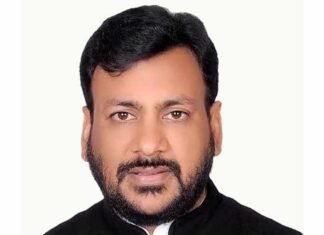
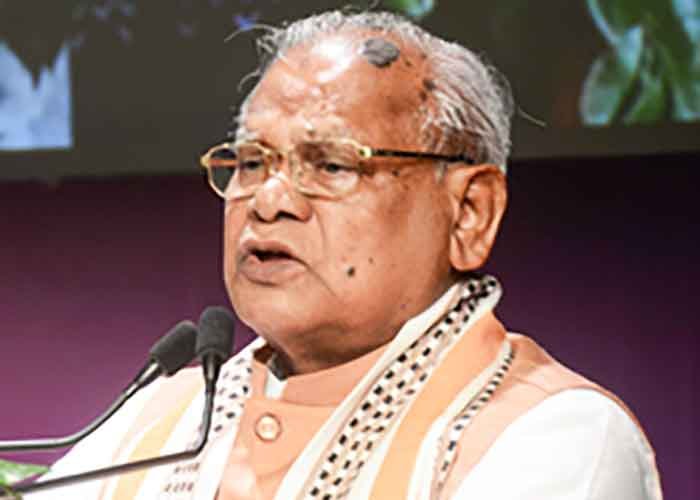
Union Minister and Hindustani Awam Morcha (HAM) patron Jitan Ram Manjhi travelled to Delhi on Thursday for further medical evaluation and treatment after his health condition deteriorated again, party and family sources said.
The former Bihar Chief Minister had recently been admitted to Medanta Hospital in Patna after falling ill. Although his condition improved and he was discharged on Wednesday, he reportedly developed a fever again late Wednesday night.
Following medical advice, a decision was taken to take Manjhi to Delhi for further assessment and treatment. Family members accompanied him during the journey.
Manjhi is expected to undergo several medical tests in Delhi. The exact reason for the recurrence of his health problems has not been disclosed so far. His family members and party leaders are awaiting the test results and further updates from doctors.
The development has caused concern among political leaders, party workers and supporters in Bihar, with several well-wishers enquiring about his condition and wishing him a speedy recovery.
Despite his recent health issues, Manjhi has remained politically active, particularly on the issue of reservation and the demand for sub-categorisation within the Scheduled Caste quota.
His position has also led to a public exchange of views with Union Minister Chirag Paswan. While Paswan has opposed any review of the existing reservation system, Manjhi and HAM have supported sub-categorisation, arguing that it would help ensure reservation benefits reach the most disadvantaged sections of the Scheduled Caste community.
Manjhi has cited the 2024 Supreme Court ruling which held that states can make sub-classifications within the Scheduled Caste quota, subject to constitutional requirements. He has argued that the ruling provides a basis for examining whether reservation benefits are being distributed equitably among different sections of the Scheduled Caste community.
He has also claimed that some communities have historically received a disproportionate share of reservation benefits, while economically and educationally disadvantaged groups have remained underrepresented. Citing Punjab as an example, Manjhi has said sub-categorisation there resulted in a redistribution of reservation benefits among different communities.
 FOLLOW NOW