
New Delhi, August 18, 2026 (Yes Punjab News)
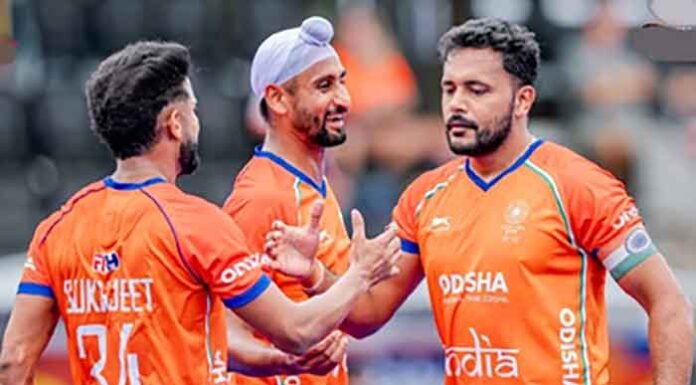
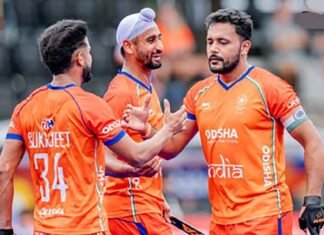
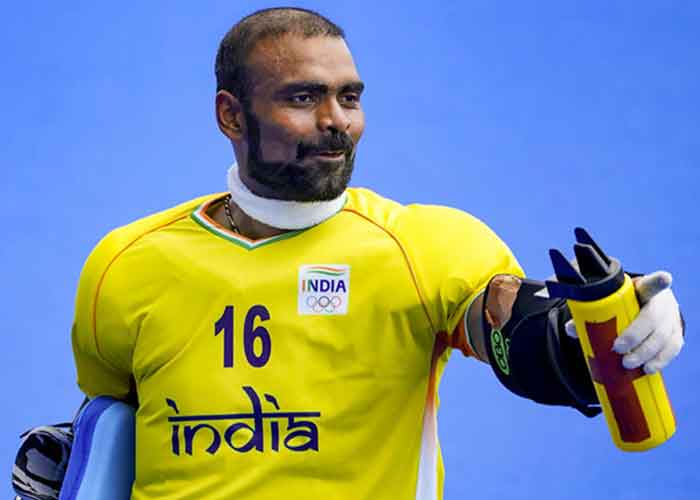
Former India goalkeeper PR Sreejesh believes Pakistan no longer poses the same challenge it once did in hockey, with India’s gains in fitness, strength, game awareness and decision-making giving the team an advantage ahead of their high-stakes FIH Hockey Men’s World Cup 2026 clash.
Sreejesh backed India’s natural attacking approach against Pakistan and urged the team to remain compact, press high and avoid retreating too deep while defending.
“Conceding goals in the last quarter or final minutes used to be a problem for us, but that is no longer the case. Now, we are the ones scoring late to win matches,” Sreejesh told JioStar.
He recalled how India-Pakistan matches were traditionally decided by narrow margins, saying improvements in physical conditioning and decision-making had changed the equation.
“Earlier, during the 35-minute halves, we used to make mistakes due to fitness or poor decision-making and let in goals. But since the four-quarter system came in, and even before that, we made big improvements in our fitness, strength, game awareness, and decision-making, and because of that, matches against Pakistan are not as tough as they used to be,” he said.
Sreejesh acknowledged that Pakistan still had potential but felt the current side was not at the level of previous teams.
The clash assumes added significance for India after their defeat to England in their previous match tightened their route to the semifinals.
Sreejesh said India should focus on its strengths rather than becoming overly defensive. He noted that the team had been using a new formation for around 18 months and had demonstrated a willingness to press higher during the Pro League.
“One important thing is that we need to stay compact in defense when playing against European teams. Otherwise, we should play our natural game in the World Cup,” he said.
He also called for greater understanding in India’s zonal defensive system and urged players to press beyond the centre line instead of dropping too deep.
On Harmanpreet Singh’s leadership, Sreejesh said the captain’s most important responsibilities come away from the playing surface.
“Harmanpreet Singh is a very good captain. On the pitch, a captain’s influence is limited because you cannot control every move or player. The person with the ball has to make the decision,” he said.
Sreejesh added that a captain’s off-field role includes keeping the team united, supporting younger players, communicating concerns to the coach and ensuring that players understand the coach’s instructions.
“For a hockey captain, the work off the field is much more important than what you do on the field,” he said.
 FOLLOW NOW