

Patna, August 22, 2026 (Yes Punjab News)
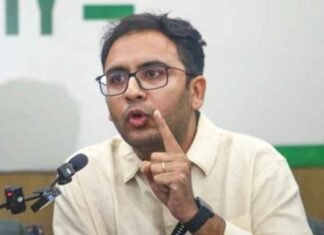
The long-running dispute over the Farakka water-sharing agreement has triggered a fresh political confrontation in Bihar, with RJD president Lalu Prasad Yadav and JD-U Working President Sanjay Jha trading accusations over the state’s water-related problems.
Lalu Prasad, in a social media post on Saturday, criticised Jha, whom he described as a political “novice”, accusing the JD-U leader of making statements on the Farakka issue without adequately understanding its historical and geographical dimensions.
Lalu claimed that the RJD had anticipated the adverse consequences of the Farakka Barrage for Bihar decades ago and had opposed the project both in Parliament and through public protests.
He also targeted Nitish Kumar, alleging that the JD-U leader had failed to address long-term issues during his political career and remained silent on Farakka in Parliament.
Lalu advised JD-U leaders to study records of the Bihar Water Resources Department, data on Ganga water availability and the implications of the agreement with Bangladesh before commenting on the issue. He also referred to letters sent to the Centre by Jagdanand Singh, who was Bihar’s Irrigation Minister at the time.
Sharing a video of an earlier parliamentary speech, Lalu reiterated his demand for cancellation of the agreement, alleging that it was against India’s national interest. He claimed that the arrangement resulted in a substantial share of Ganga water flowing to Bangladesh without adequately considering its long-term impact on Bihar.
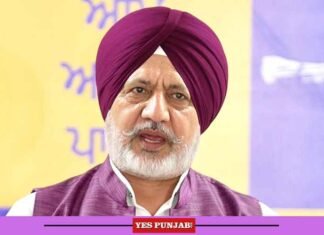
Jha, meanwhile, has also been raising concerns over the alleged impact of the Farakka Barrage on Bihar. The JD-U Rajya Sabha MP has pointed to Lalu Prasad’s political influence at the Centre when the 1996 water-sharing agreement with Bangladesh was signed.
Jha questioned why stronger opposition was not raised by the Bihar government during the negotiations. He argued that a firm stand at the time could have prevented Bihar from facing what he described as the combined problems of recurring floods and droughts over the subsequent three decades.
The exchange has brought the Farakka issue back to the centre of Bihar’s political discourse, with the RJD and JD-U blaming different political actors for the state’s longstanding concerns over flooding, water availability and management of the Ganga.
 FOLLOW NOW