

Fatehgarh Churian, October 3, 2026 (Yes Punjab News)
Punjab Chief Minister Bhagwant Singh Mann on Saturday said his government’s focus on public welfare and service delivery had strengthened people’s trust and expressed confidence that voters would give his party another opportunity in the 2027 Assembly elections.
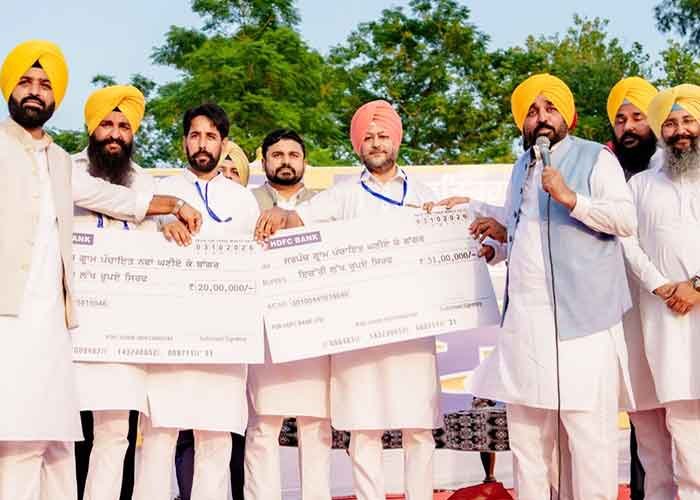
Addressing a Lok Milni at Ghanie Ke Bangar village in the Fatehgarh Churian constituency, Mann highlighted his government’s initiatives in electricity, healthcare, irrigation, education and women’s welfare. He claimed that around 90 per cent of households in Punjab were receiving free electricity, families had access to treatment cover of up to ₹10 lakh, and canal water was reaching 88 per cent of agricultural land.
Mann said his government had undertaken more work in four-and-a-half years than the 22 years of Congress and Akali Dal governments combined. He also credited the transformation of government schools with helping Punjab secure a leading position in national education assessments.
In a post on X, Mann said the response to a public survey conducted during the gathering reflected continued public confidence in his government. He described the previous Congress and Akali Dal administrations as focused on family interests and said his government had prioritised delivering benefits directly to residents.
Targeting the Congress, Akali Dal and BJP, Mann alleged that the parties were coming together despite their differences and cautioned voters against what he described as their past record in Punjab. He said people would assess governments on their performance and the issues affecting their daily lives.
During the event, Mann also interacted with residents and heard concerns related to local development and public services. He said the issues raised would be referred to the concerned departments for examination and appropriate action under government policy and available resources.
The Chief Minister said his government would continue to focus on strengthening public institutions and addressing challenges such as unemployment, drug abuse, groundwater depletion and inadequate infrastructure. He maintained that governance should be measured by tangible improvements in people’s lives.
 FOLLOW NOW