

New Delhi, October 3, 2026 (Yes Punjab News)
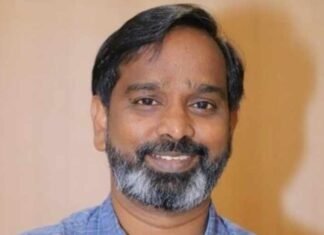
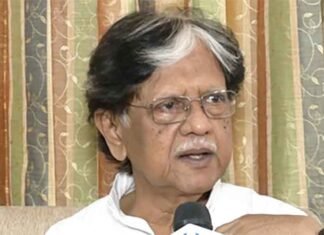
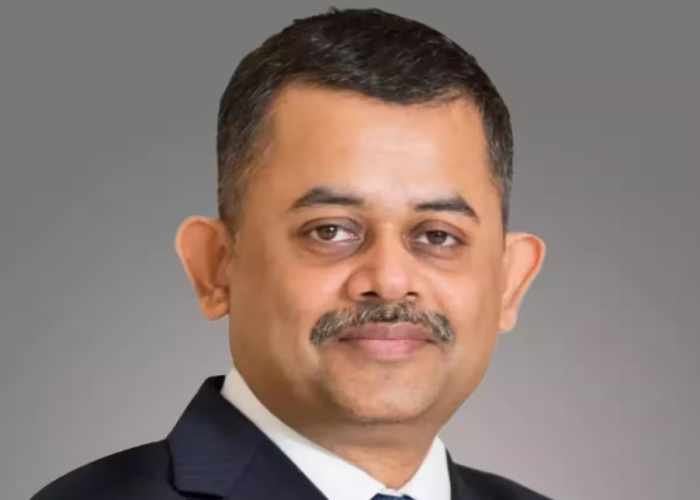
Allowing a Merchant Discount Rate (MDR) on Unified Payments Interface (UPI) transactions is unlikely to trigger a large-scale increase in payment charges, given the intense competition in the payments ecosystem, Neelkanth Mishra, Executive Director at the World Bank Group, said on Saturday.
Speaking to IANS on the sidelines of the 5th Kautilya Economic Conclave in New Delhi, Mishra said permitting MDR would primarily serve as an enabling provision, while market competition would play a key role in determining the charges levied on merchants and users.
He said concerns about widespread fee increases could be overstated in a competitive market, where banks, financial institutions and payment aggregators operate under different business models.
“It is an enabling provision. Look, this is a free market. Unless someone is afraid that financial firms, banks or payment aggregators will start colluding and raising charges at the same time, there are different ways to handle that,” Mishra said.
“I don’t see this leading to a large-scale increase in fees because it is a free and competitive market. There were firms that remained viable and survived even when they could not charge MDR,” he added.
Mishra also identified rapidly rising interest rates as the biggest risk facing global financial markets, warning that higher borrowing costs could put pressure on asset valuations and expose vulnerabilities in leveraged financial positions.
“I would say that the biggest risk for global markets is the rapidly rising interest rates because financial markets are all about the cost of capital,” he said.
Explaining the potential impact, Mishra noted that an increase in risk-free interest rates could reduce asset values, making certain collateral-backed loans and leveraged positions financially unsustainable.
“If your yields, the risk-free rate, are going to rise, asset values will come down, and that means that many forms of collateralised loans and many types of leverage that were taken then become unviable or have to be unwound,” he said.
On India’s exposure to global economic uncertainties amid elevated crude oil prices, rising bond yields and geopolitical tensions, Mishra acknowledged that the risks were significant, although he said India was relatively better positioned than several economies carrying substantially higher debt burdens.
“These are very significant macroeconomic risks. I think these are also market risks, so financial markets are starting to get a bit jittery,” he said.
Mishra said market stability would depend on a moderation in bond yields or the emergence of growth-related risks that could prompt investors to reassess their expectations.
“The only way that this can settle is for either yields to fall or for some risks to emerge on the growth side. There are also countries with very high levels of debt-to-GDP that are far more vulnerable than perhaps India is,” he said.
Emphasising the need for vigilance, Mishra cautioned that India must remain alert to external economic shocks, particularly as global financial conditions remain uncertain.
“So, we have to be on the lookout for external shocks,” he added.
 FOLLOW NOW