
Bhopal, October 3, 2026 (Yes Punjab News)
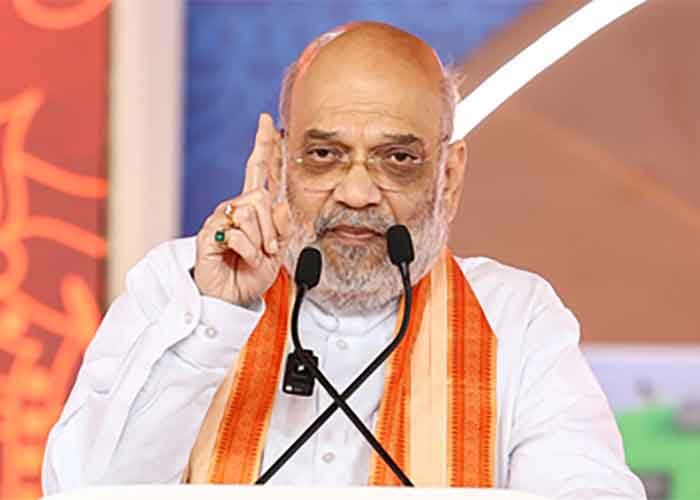
Union Home Minister Amit Shah on Saturday set December 31, 2029, as the deadline to make Madhya Pradesh drug-free, announcing plans to prepare a comprehensive strategy in coordination with Chief Minister Mohan Yadav and senior state Home Department officials.
Addressing a state-level conference of cattle rearers in Bhopal, Shah called for active public participation in the campaign against narcotics and made a special appeal to mothers to remain vigilant about drug abuse among their children.
“We will make Madhya Pradesh drug-free. I have come here to assure every mother that after December 31, 2029, there will be no place for drugs in Madhya Pradesh for your sons and daughters,” Shah said, adding that he had come to develop a detailed plan to achieve the target.
The Union Home Minister said he would hold a meeting with Yadav and senior Home Department officials to discuss the measures required to eliminate drug trafficking and consumption across the state.

The announcement comes as the Centre intensifies its anti-narcotics campaign, focusing on dismantling drug trafficking networks while strengthening prevention, treatment and rehabilitation initiatives.
During his visit, Shah also inaugurated an exhibition on India’s new criminal laws in Bhopal, highlighting what he described as a major transformation in the country’s criminal justice system.
Referring to the Bharatiya Nyaya Sanhita (BNS) and related legislation, Shah said the new legal framework was intended to accelerate the disposal of criminal cases and bring an end to prolonged litigation and repeated adjournments.
He asserted that the new system would ensure that a person found guilty could be convicted within three years of the registration of a First Information Report (FIR), including through proceedings up to the Supreme Court.
“Within a year or a year-and-a-half, the process will ensure that a guilty person is convicted within three years of the FIR being lodged, right up to the Supreme Court level,” Shah said, referring to the changes introduced under the new laws.
He also contrasted the new criminal justice framework with the colonial-era legislation, arguing that British laws had primarily been designed to protect the colonial administration rather than Indian citizens.
“The new laws, however, are aimed at safeguarding the dignity, property, and physical safety of Indian citizens. Their core principle is justice, not merely punishment,” he said.
The Bharatiya Nyaya Sanhita, Bharatiya Nagarik Suraksha Sanhita and Bharatiya Sakshya Adhiniyam replaced the Indian Penal Code, Code of Criminal Procedure and Indian Evidence Act, respectively, with effect from July 1, 2024.
Shah said the new legislation was intended to establish a more time-bound and citizen-centric criminal justice system, with an emphasis on faster investigations, trials and the delivery of justice.
 FOLLOW NOW