

Islamabad, August 3, 2026 (Yes Punjab News)
The killing of civilians during recent protests in Pakistan-occupied Jammu and Kashmir (PoJK) has underscored the limitations of the China-Pakistan development model in the region, according to a report published by the UK-based newspaper Asian Lite.
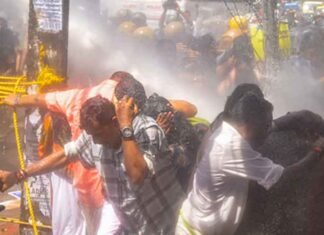
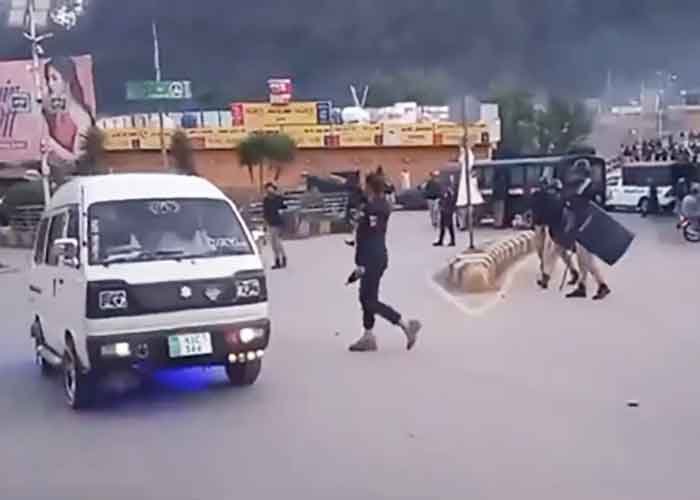
The report said the latest unrest has exposed the fragile relationship between PoJK and Pakistan, following weeks of demonstrations, arrests and restrictions that culminated in violent clashes between protesters and security forces. Casualties have been reported on both sides, although the full extent of the violence remains unclear due to communication disruptions and conflicting accounts emerging from the region.
The protests have been spearheaded by the Jammu Kashmir Joint Awami Action Committee (JKJAAC), a coalition comprising transporters, traders and civil society groups. The organisation has demanded lower electricity tariffs, reduced food prices, curbs on government privileges, greater political representation, equitable distribution of local resources and enhanced economic rights.
According to the report, Pakistan’s response has shifted what began as public grievances into a security issue, with authorities resorting to coercive measures against demonstrators.
Asian Lite noted that PoJK has become increasingly significant to Islamabad’s infrastructure strategy and to Beijing’s regional economic interests through the China-Pakistan Economic Corridor (CPEC). However, it argued that while infrastructure projects have enhanced the territory’s economic and strategic value, they have not translated into greater participation by local communities in decisions regarding resource development or the distribution of benefits.
The report further observed that China has consistently projected CPEC as a partnership centred on connectivity, development and energy, relying on the Pakistani state to negotiate projects, provide security and ensure political legitimacy for Chinese investments. The ongoing unrest, it said, exposes the limitations of this state-centric development model.
It added that Pakistan continues to face recurring challenges to public order in PoJK as protests have resurfaced repeatedly over the past several years. While coercive measures may temporarily contain unrest, the report argued they do not address underlying demands related to governance, economic rights and political representation.
Concluding its assessment, Asian Lite stated that the latest protests reflect a growing disconnect between the strategic and economic importance assigned to PoJK by Islamabad and Beijing and the aspirations of sections of the local population seeking a greater role in decisions affecting their resources and future.
 FOLLOW NOW