
New Delhi, September 14, 2026 (Yes Punjab News)
Recent US military strikes on Iranian oil tankers could have a significant impact on China’s access to discounted Iranian crude, according to an analysis published by Modern Diplomacy, as Washington’s campaign against Tehran’s oil trade moves beyond financial sanctions to directly affect vessels carrying the fuel.
US Central Command said American forces struck three Iranian crude oil carriers on September 5, including a tanker near Kharg Island, Iran’s key oil export hub. The strikes followed Iranian ballistic missile attacks on two US Navy vessels, according to CENTCOM.
The Modern Diplomacy analysis argues that the development is particularly significant for China because much of Iran’s discounted crude is purchased by smaller independent Chinese refineries, commonly known as “teapots”.
Unlike major state-owned Chinese oil companies, which generally avoid sanctioned crude to protect access to Western financial institutions and capital markets, these independent refineries have built their business around purchasing discounted Iranian, Russian and Venezuelan oil, the analysis says.
The report notes that teapot refineries account for around 25 per cent of China’s petroleum-products production and have been able to circumvent sanctions through Chinese payment systems and barter-style arrangements.
According to the analysis, this mechanism enabled Chinese independent refiners to absorb a substantial share of the Iranian oil that remained available for export despite US sanctions.
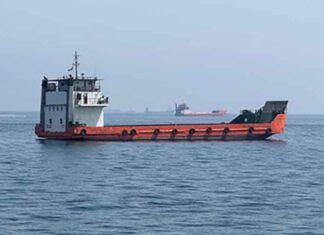
The recent destruction or disabling of oil tankers, however, introduces a direct physical constraint on the supply chain. US Central Command said it permanently disabled the M/T Downy off Kharg Island and the M/T Stark 1 near Jask, while the unladen M/T Kylo, also known as Noxen, was destroyed in the Gulf of Oman after its crew was ordered to abandon the vessel.
Kharg Island is particularly important to Iran’s oil trade. Around 90 per cent of the country’s crude exports passed through the island before the war, according to reporting on the recent strikes.
The Modern Diplomacy analysis further argues that Chinese teapot refineries have limited inventory buffers and operate on narrow margins that depend heavily on discounted crude. With shipping routes disrupted and the supply of sanctioned Iranian oil potentially reduced, the refiners could face higher input costs and tighter supplies.
The impact, therefore, could extend beyond sanctions enforcement, affecting the physical availability of Iranian crude for Chinese refiners if tanker losses and disruption to regional shipping continue.
 FOLLOW NOW