

Chandigarh, August 4, 2026 (Yes Punjab News)
Punjab has successfully completed the house-to-house enumeration phase of the Special Intensive Revision (SIR) 2026 of electoral rolls, with verification of 2,14,61,043 registered electors and removal of entries linked to deceased voters, duplicate records, permanently shifted persons and absent electors.
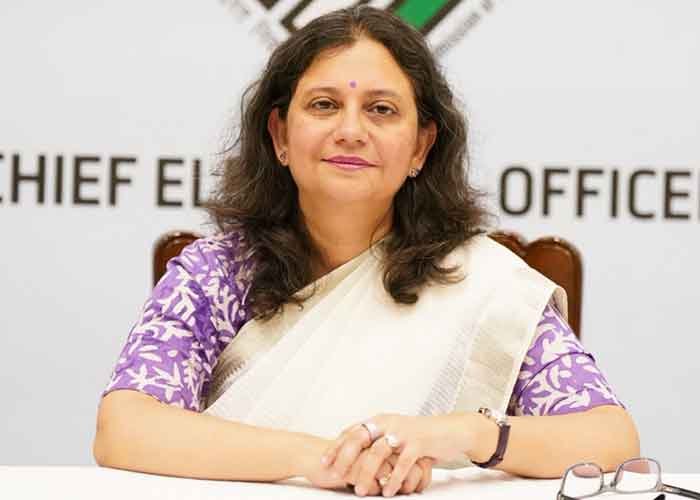
Chief Electoral Officer (CEO) Punjab Anindita Mitra said the completion of the exercise marks an important step towards ensuring an accurate, transparent and inclusive electoral roll across the state.
The enumeration phase was completed in all 23 districts and 117 Assembly constituencies of Punjab with the coordinated efforts of the election machinery, including 23 District Election Officers (DEOs), 117 Electoral Registration Officers (EROs), 234 Assistant Electoral Registration Officers (AEROs), 2,501 supervisors and 24,453 Booth Level Officers (BLOs).
The process also received support from recognised political parties, including 87,966 Booth Level Agents (BLAs), who assisted in the exercise.
During the house-to-house verification drive, BLOs visited the recorded addresses of all 2,14,61,043 electors whose names appeared in the electoral roll as on June 9, 2026, and distributed enumeration forms. Multiple visits were made to collect completed forms, while intimation stickers were placed at residences where electors were unavailable to ensure that no eligible voter was left out.
As part of the verification process, 1,93,94,408 electors submitted their enumeration forms by August 3, 2026. The number of uncollectable forms under the ASDD category (Absent, Shifted, Dead and Duplicate) stood at 20,66,635, accounting for 9.63 per cent of the total electorate.
The ASDD category includes 5,74,568 entries of deceased voters (2.68 per cent), 4,12,715 absent or untraceable voters (1.92 per cent), 9,44,131 permanently shifted persons (4.40 per cent) and 1,19,145 already enrolled duplicate entries (0.56 per cent).
The Special Intensive Revision exercise was supported by an extensive Systematic Voters’ Education and Electoral Participation (SVEEP) campaign aimed at creating awareness among citizens. The outreach programme included SMS alerts, radio jingles, audio messages through e-rickshaws, BLO announcements, electoral literacy activities, social media campaigns and public awareness material at various locations.
Special camps were organised at polling booths across all 117 Assembly constituencies on June 7, July 11-12 and July 19, 2026, providing additional opportunities to voters for submission and verification of forms.
Among districts, Mansa recorded the highest enumeration form collection percentage at 96.31 per cent, while Budhlada Assembly constituency achieved the highest collection rate at 96.94 per cent.
CEO Anindita Mitra said all possible efforts were made to reach every registered elector. She added that any person whose name may have been inadvertently left out of the draft electoral roll can file a claim by submitting Form No. 6 either online or physically from August 13 to September 12, 2026.
She further informed that 93.40 per cent of electors included in the draft electoral roll have been mapped with the electoral rolls of 2003 or earlier Special Intensive Revision records. Notices to unmapped electors will be issued from August 13, 2026, as per Election Commission of India guidelines.
“The successful completion of the House-to-House Enumeration under SIR 2026 reflects the collective commitment of the election machinery and the cooperation of political parties and citizens. Booth Level Officers, supported by DEOs, EROs and AEROs, worked tirelessly to ensure that every eligible voter was reached,” Mitra said.
She urged voters to verify their names in the draft electoral roll to be published on August 13, 2026, and participate in the claims and objections process. The disposal of claims and objections will continue from August 13 to October 8, 2026, while the final electoral roll will be published on October 12, 2026.
Polling Stations Increased After Rationalisation
As part of SIR 2026, Punjab also completed physical verification and rationalisation of polling stations to improve voter accessibility and convenience.
Following the exercise, the number of polling stations in the state has increased from 24,453 to 25,332.
The rationalisation process was undertaken to balance voter strength at polling stations, improve facilities and ensure smoother election management. Physical verification of polling booths and availability of Assured Minimum Facilities (AMF) were also carried out during the exercise.
 FOLLOW NOW