

Chandigarh, August 4, 2026 (Yes Punjab News)
The Punjab Vidhan Sabha on Tuesday passed a resolution urging the Centre to suspend the mandatory nationwide rollout of E-20 petrol for vehicles not originally designed or certified for the fuel until concerns related to consumer safety, vehicle compatibility and state-specific impacts are addressed.
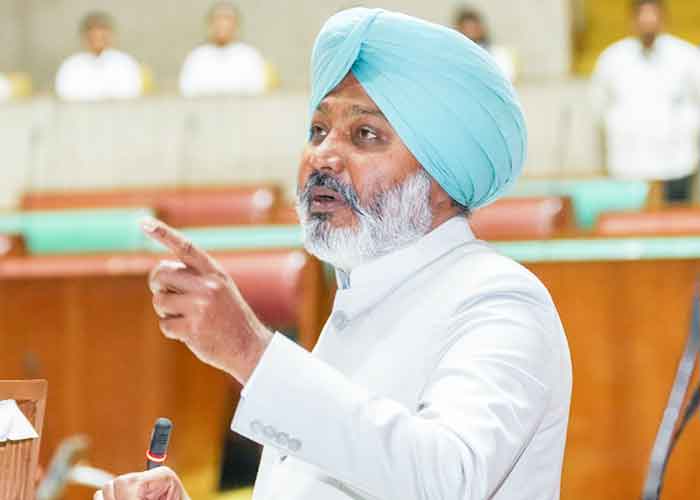
The resolution was moved by Punjab Finance Minister Harpal Singh Cheema in the Assembly, expressing concern over the compulsory implementation of E-20 petrol without adequate safeguards for consumers, vehicle owners and states.
The House acknowledged that reducing dependence on crude oil, strengthening energy security and promoting cleaner fuels were important national objectives. However, it stressed that such policies must be implemented through a transparent and scientific approach while considering the concerns of citizens and state governments.
The resolution noted that millions of vehicles across the country, including a significant number in Punjab, were manufactured before E-20-compatible engines became common. It highlighted concerns over possible effects of mandatory E-20 usage, including engine compatibility issues, faster wear and tear of fuel system components, reduced mileage, higher maintenance costs, warranty-related disputes and possible decline in vehicle resale value.
“The resulting economic burden is likely to fall most heavily on middle-class families, farmers, transporters, small business owners, employees, students and daily commuters,” the resolution stated.
The Assembly also pointed out that the E-20 implementation deadline was advanced by five years from the earlier 2030 target, leaving vehicle owners, manufacturers and farmers with limited time to prepare for the transition.
Expressing concern over possible economic consequences, the House said increased transportation and operational costs could raise agricultural expenses and freight charges, ultimately affecting ordinary consumers.
The resolution stated that consumers should not be compelled to use E-20 petrol until its impact on mileage, engine life, maintenance requirements and overall ownership costs is transparently assessed through independent scientific evaluation.
Highlighting Punjab’s role in national food security and the state’s existing environmental challenges, the House said Punjab deserved meaningful consultation before implementation of policies having major economic and environmental implications.
The Assembly urged the Centre to provide consumers the option to choose between ethanol-free petrol and E-20 petrol. It also recommended that the retail price of E-20 fuel should be adjusted considering its comparatively lower calorific value and reduced fuel efficiency.
The resolution called for the formation of an independent committee comprising automobile engineers, petroleum experts, environmental scientists, consumer organisations and representatives of state governments to assess the technical, financial and environmental impact of E-20 implementation.
The committee would examine issues including vehicle compatibility, fuel efficiency, maintenance costs, consumer impact and state-specific concerns, with its findings to be made public.
The House further demanded that all scientific, engineering and economic studies related to E-20’s impact on engine performance, emissions, maintenance costs, consumer safety and overall ownership expenses be placed in the public domain.
It also sought a compensation mechanism for consumers if financial losses or mechanical damage are established due to compulsory use of E-20 petrol in vehicles not originally designed for higher ethanol blends.
The Punjab Vidhan Sabha decided to forward copies of the resolution to the President of India, Prime Minister, Union Minister for Petroleum and Natural Gas, Union Minister for Road Transport and Highways, Union Minister for Agriculture and Farmers’ Welfare and Vice-Chairman of NITI Aayog for consideration.
The House reiterated that energy security, environmental sustainability and technological advancement must be pursued while protecting consumer interests, maintaining the federal spirit and preventing avoidable financial burdens on citizens.
 FOLLOW NOW