New Delhi, August 9, 2026 (Yes Punjab News)
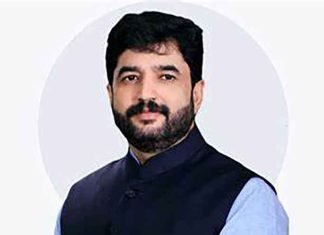
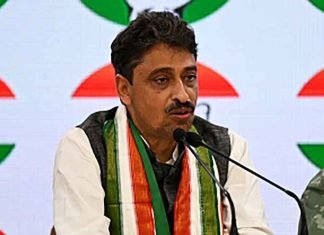
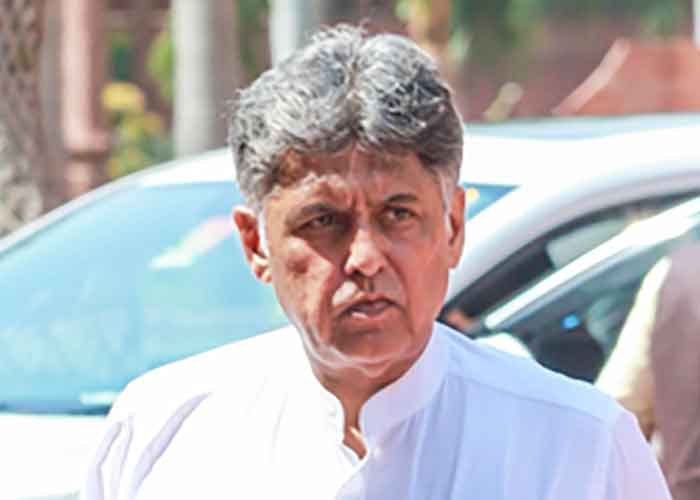
Congress MP Manish Tewari on Sunday raised strong objections to the proposed delimitation exercise, warning that it could adversely affect several states in North India, South India and the Northeast while disproportionately benefiting the central part of the country.
Tewari said the concerns of states sharing international borders, particularly those in northern and northeastern India, must be carefully examined before the government proceeds with the proposed changes. He said the exercise could have significant consequences for regional representation and the federal balance.
His comments came amid renewed political discussions over the Constitution (131st Amendment) Bill and the Delimitation Bill, 2026. The proposed legislation seeks to amend provisions linked to the Women’s Reservation Act, 2023, which has already been passed by Parliament. The legislation had failed to clear the Lok Sabha during the Budget Session in April.
Speaking to IANS, Tewari recalled his intervention during the Lok Sabha debate in April and said the proposed delimitation could “cause harm” to North India, South India and the Northeast, with Central India being the principal beneficiary.
He specifically urged the government to consider the implications for states located along India’s international borders, saying the proposed exercise was not in their interest.
Related Posts

Tewari also questioned why implementation of women’s reservation should be linked to a fresh delimitation exercise. He argued that the one-third reservation for women provided under the Women’s Reservation Bill could instead be implemented within the existing strength of 543 Lok Sabha seats.
“The government is talking about the women’s reservation, then why not implement it in the current number of seats?” he asked, adding that one-third of the existing 543 seats could be reserved for women.
The renewed debate over delimitation has gathered momentum around the Constitution (131st Amendment) Bill, which proposes to increase the strength of the Lok Sabha and revise the allocation of parliamentary seats ahead of the 2029 general elections.
The Centre is seeking political consensus following the earlier legislative setback, while several states have expressed concerns over federal equity, regional representation and the distribution of political power.
Southern states and other regions that have made significant progress in population stabilisation have particularly opposed a population-based approach, fearing that states with faster population growth could gain more parliamentary seats while their own relative representation declines.
The Centre maintains that delimitation is aimed at modernising democratic representation and ensuring that parliamentary constituencies reflect changes in the country’s population.
 FOLLOW NOW