

New Delhi, July 30, 2026 (Yes Punjab News)
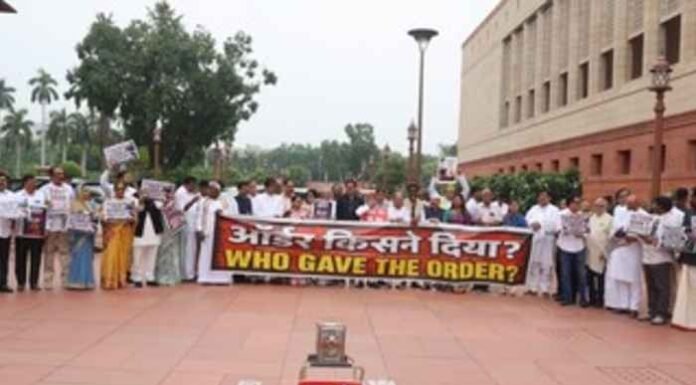
Opposition parties on Thursday raised objections over the passage of the Prevention of Insults to National Honour (Amendment) Bill, 2026, which seeks to bring the national song Vande Mataram on the same legal footing as the National Anthem and criminalise its insult.
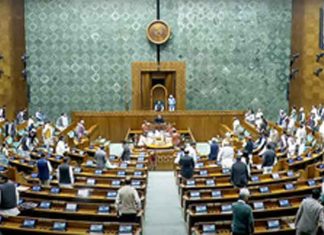
The Lok Sabha passed the Bill by voice vote after it was cleared by the Rajya Sabha, paving the way for stricter legal provisions related to the national song.
Reacting to the development, DMK MP K. Kanimozhi said making it a criminal offence if all six stanzas of Vande Mataram are not sung could create divisions and affect the importance of state songs.
Speaking to IANS inside the Parliament premises, Kanimozhi said several states, including Tamil Nadu, have their own state songs that hold emotional and cultural significance for people. She expressed concern that the new provision could reduce the prominence of such regional traditions.
Congress MP Tariq Anwar questioned the manner in which the Bill was passed, saying the Opposition and other stakeholders should have been consulted before bringing such legislation.
Samajwadi Party MP Ziaur Rahman Barq said the concerns of the Muslim community should also be considered. He alleged that the legislation could create social divisions and divert attention from issues such as employment, inflation and corruption.
Barq said the community’s objections were limited to certain words in the national song that some people believe conflict with their religious beliefs.
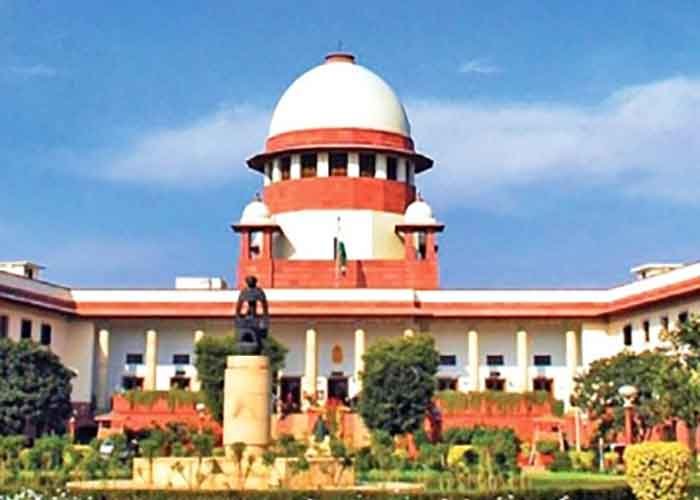
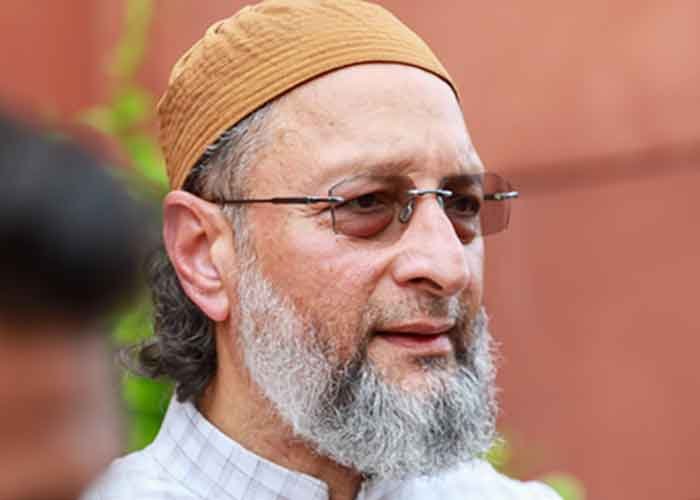
AIMIM chief and MP Asaduddin Owaisi referred to the Supreme Court’s 1986 judgment in Bijoe Emmanuel vs State of Kerala, saying constitutional protections under Articles 19 and 25 safeguard freedom of expression and conscience.
Owaisi argued that patriotism cannot be judged solely by whether a person sings a particular song and raised concerns over compelling individuals in matters related to personal belief and faith.
The Bill’s passage has triggered a political debate, with the government and Opposition differing over its implications for national identity, constitutional freedoms and cultural sentiments.
 FOLLOW NOW