


Raipur/Bijapur, July 29, 2026 (Yes Punjab News)
Eight Maoist cadres, including five women, surrendered before the Bijapur Police in Chhattisgarh on Wednesday, abandoning the path of violence and joining the mainstream under the state’s Naxal surrender and rehabilitation policy.
The surrendered cadres, who were active in Jharkhand and associated with the banned CPI (Maoist), collectively carried a reward of ₹49 lakh.
According to officials, the decision to surrender was influenced by the Chhattisgarh government’s rehabilitation policy for former Maoists, ongoing skill development initiatives in Bijapur district, and reports of successful rehabilitation of surrendered cadres. Increasing pressure from security forces, the weakening organisational strength of the Maoists, disillusionment with the group’s ideology, and development initiatives in tribal areas also contributed to their decision.
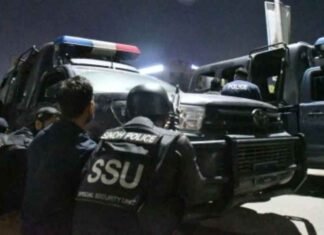
The surrender was facilitated through coordinated efforts by the Bijapur Police, Jharkhand Police and the Central Reserve Police Force (CRPF). Officials said close coordination, trust-building and a people-centric approach by the security agencies played a key role in encouraging the cadres to give up arms.
The surrendered Maoists have been identified as Ashwin alias Lachhu (30), Ranga alias Sohan (30), Doba Madvi alias Rahat (25), Fagni Poyam alias Rajni (28), Suraj Munni Champia alias Subani (25), Hidme Kadti alias Rita (27), Budhari Kunjam alias Anusha (25) and Salami Champiya alias Jilani (20).
Among them, three carried rewards of ₹8 lakh each, while the remaining five had rewards of ₹5 lakh each. Most of the cadres belong to Bijapur and adjoining districts of Chhattisgarh but had been operating in different parts of Jharkhand.
Under the state’s Naxal Surrender and Rehabilitation Policy, all eight will receive financial assistance, skill development training, housing support, educational assistance and opportunities for employment or self-employment.
Officials said the district administration and police would continue to provide guidance to ensure their smooth reintegration into society, describing the surrender as a reflection of the government’s rehabilitation efforts and sustained security operations aimed at encouraging Maoist cadres to renounce violence.
 FOLLOW NOW