


New Delhi, July 25, 2026 (Yes Punjab News)
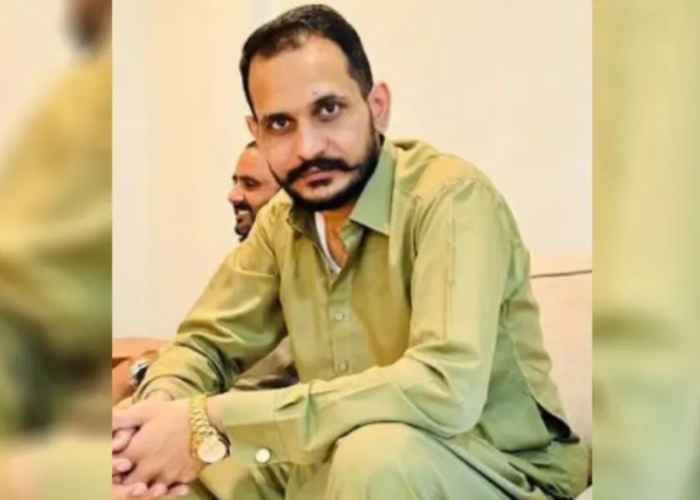
Cockroach Janta Party (CJP) founder Abhijeet Dipke on Saturday said he has been diagnosed with typhoid but asserted that the party’s agitation over the NEET examination controversy would continue until Union Education Minister Dharmendra Pradhan resigns.
In a post on X, Dipke said, “Have been diagnosed with typhoid, but the fight will go on until Dharmendra Pradhan resigns.”
Sharing a video message, he said his health had been deteriorating over the past few days and that medical tests had confirmed typhoid. He added that he is undergoing treatment and receiving intravenous medication.
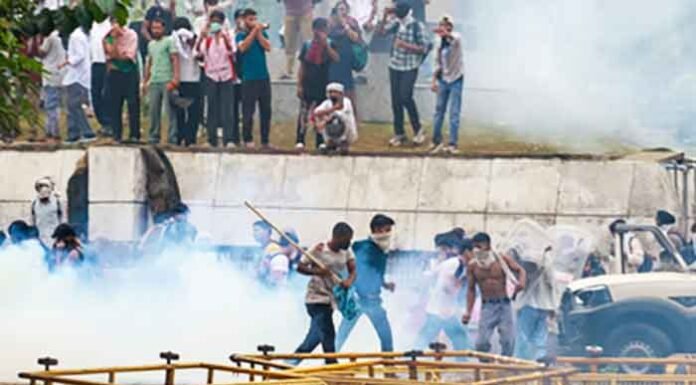
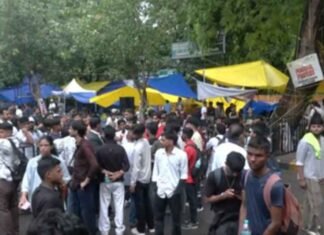
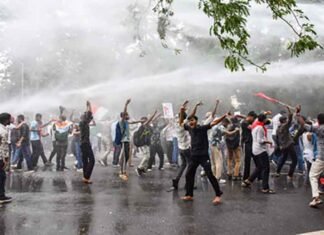
Dipke thanked supporters participating in protests across the country and urged them to continue their peaceful demonstrations. He expressed confidence that sustained protests would eventually lead to the Education Minister’s resignation.
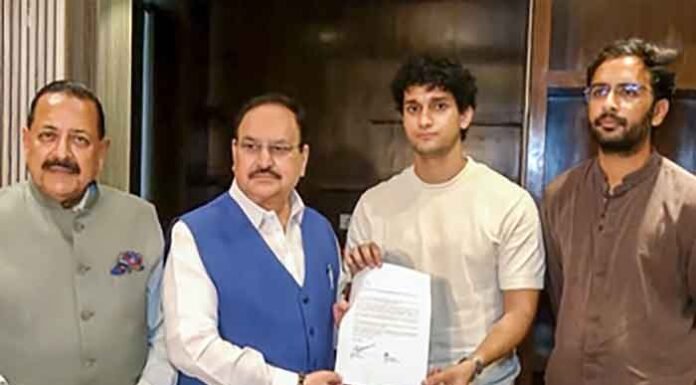
Meanwhile, the CJP said it welcomed the Union Cabinet’s decision to strengthen provisions of the Public Examinations (Prevention of Unfair Means) Act, 2024, aimed at tackling paper leaks. However, the party maintained that its primary demand remains the resignation of Dharmendra Pradhan.
CJP spokesperson Ashutosh Ranka said the government had given a positive response during the second round of talks on issues such as compensation and legal cases, but no assurance had been provided on the Minister’s resignation.
“If Dharmendra Pradhan is not going to resign, then there is no point in holding further meetings,” Ranka said, adding that the party would decide its future course of action if the demand was not accepted.
The Centre has also replaced the Education Secretary and removed 47 officials of the National Testing Agency (NTA) amid the examination controversy. Ranka said these steps were insufficient, arguing that “ultimate accountability” rested with the Union Education Minister.
The developments come after the Union Cabinet approved amendments to the Public Examinations (Prevention of Unfair Means) Act, 2024, proposing stricter penalties, including imprisonment of up to 10 years and fines of up to ₹10 crore for organised paper leak offences.
 FOLLOW NOW