

Jaipur, August 25, 2026 (Yes Punjab News)
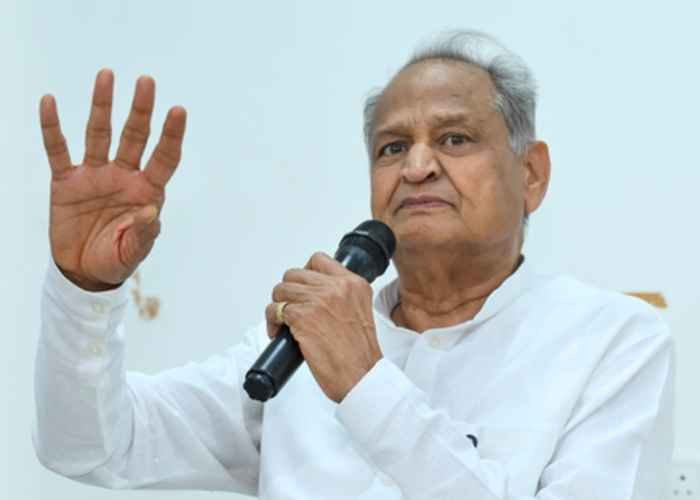
Former Rajasthan Chief Minister Ashok Gehlot on Tuesday criticised the ongoing caste census process, calling it “completely flawed” and urging the Central government to immediately revise the methodology to ensure accurate caste data is collected.
Gehlot questioned the Centre’s approach to the exercise, alleging that the confusion surrounding the process could undermine the basic objective of conducting a caste census.
He said the announcement of the caste census had initially received broad support, but the current methodology had raised concerns about the reliability of the eventual data.
According to Gehlot, the Centre has adopted an “open-ended question” format under which individuals will have their caste recorded exactly as they state it. He argued that this could create serious difficulties because the same caste may be known by different names, sub-castes and linguistic variations in different parts of the country.
As a result, Gehlot said, a single caste could potentially appear under a large number of different names, making the final figures difficult to consolidate and potentially unreliable for policy purposes.
He also raised concern over the absence of the term Other Backward Classes (OBCs) from the census, saying this could make it difficult to determine the population of the Backward Classes accurately.
Gehlot said Congress President Mallikarjun Kharge and Leader of Opposition in the Lok Sabha Rahul Gandhi had written to Prime Minister Narendra Modi on Tuesday, seeking preparation of a comprehensive caste list before the enumeration process. He pointed to similar approaches adopted during caste surveys conducted in Telangana in 2024 and Bihar in 2022.
The former Rajasthan Chief Minister demanded that the Centre withdraw the existing process and prepare a revised questionnaire after consultations with political parties, experts and the public.
He said the caste census could serve its intended purpose only if it generated accurate and meaningful data reflecting India’s social realities.
According to Gehlot, reliable caste data would be important for framing policies related to social justice, equitable representation and the welfare of disadvantaged sections of society.
 FOLLOW NOW