
United Nations, October 22, 2026 (Yes Punjab News)
India has backed the continued functioning of the United Nations mechanism responsible for carrying forward the remaining work of international criminal tribunals for Rwanda and the former Yugoslavia, stressing that its residual responsibilities are essential to ensuring accountability for genocide and war crimes.
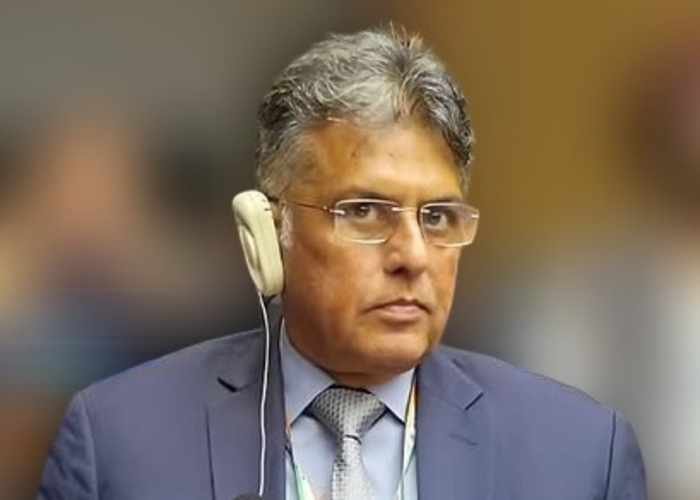
Speaking at a UN General Assembly plenary session on the International Residual Mechanism for Criminal Tribunals (IRMCT), Congress MP Manish Tiwari said India supported the mechanism’s continued work, including the protection of victims and witnesses, assistance to national judicial authorities, and the preservation and management of tribunal archives.
“India underscores the importance of the mechanism continuing residual functions, including the protection of victims and witnesses, assistance to national jurisdictions, and the preservation and management of the tribunal’s archives”, Tiwari said on Wednesday (local time).
He added that these responsibilities remained vital to preserving the legacy of the tribunals and ensuring continued accountability.
“We recognise the mechanism’s contribution to the fight against impunity and reiterate the importance of fulfilling its mandate in accordance with the principles of justice, impartiality, fairness and due process, upholding the interests of justice and protecting the rights of victims remains essential”, he said.
Established by the UN Security Council in 2010, the IRMCT took over outstanding functions from the International Criminal Tribunal for Rwanda and the International Criminal Tribunal for the former Yugoslavia after the two bodies completed their main judicial work.
The Rwanda tribunal dealt with those responsible for the 1994 genocide, in which about 800,000 people, primarily Tutsis and also moderate Hutus, were killed by Hutu extremists. It indicted 86 people, while the residual mechanism subsequently convicted 61 individuals in cases it handled.
The tribunal for the former Yugoslavia conducted 111 trials and convicted 90 people. One appeal remains pending before the IRMCT, according to the figures cited in the report.
As the mechanism approaches the completion of its mandate, Tiwari called for an orderly and time-bound transition that would not compromise judicial independence or the effective discharge of its remaining responsibilities.
 FOLLOW NOW