
Kabul, October 21, 2026 (Yes Punjab News)
A reported proposal to divide Pakistan’s four provinces into 12 to 15 smaller administrative units has triggered concerns over provincial autonomy and the military’s growing influence in civilian affairs, according to a report by Afghanistan-based Khaama Press.
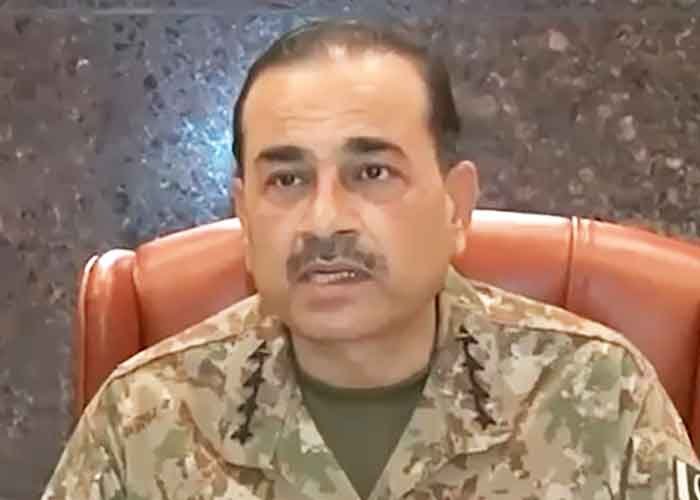
The report said Pakistan Army chief Asim Munir was considering a sweeping restructuring of the country’s administrative map. Critics fear the move could weaken provincial political power and alter the balance between the federal government and regional leadership.
Pakistan’s existing provinces — Punjab, Sindh, Khyber Pakhtunkhwa and Balochistan — have been central to its political structure since independence in 1947. Punjab is a stronghold of the Pakistan Muslim League-Nawaz (PML-N), while the Pakistan Peoples Party (PPP) has traditionally dominated Sindh.
According to the report, dividing the provinces could dilute the influence of these political parties and reduce the ability of provincial governments to act as a counterweight to the federal centre.
The proposal has also raised concerns against the backdrop of longstanding regional grievances and security challenges. Khyber Pakhtunkhwa continues to face militant violence, security operations and public anger over insecurity, while Balochistan’s insurgency is rooted in disputes over autonomy, control of natural resources, enforced disappearances and military operations. Separatist groups in Balochistan have called for independence.
The report also highlighted tensions between Islamabad and the Pakistan Tehreek-e-Insaf (PTI)-governed Khyber Pakhtunkhwa, citing the reported imposition of emergency rule by President Asif Ali Zardari on October 11 following a recommendation from the federal cabinet. The federal government reportedly justified the move on security grounds, while PTI representatives condemned it as illegitimate.
Any major restructuring of provincial boundaries would face significant constitutional and political obstacles, the report said. Constitutional amendments, broad parliamentary support and approval from the provincial assemblies concerned would be required. Sindh has historically opposed proposals to divide the province, making any reorganisation particularly contentious.
The report drew parallels with the historical consequences of political grievances and military repression in Pakistan, which preceded Bangladesh’s independence in 1971. However, it cautioned that comparisons with Bangladesh’s more recent political upheaval should be treated as warnings about weakened civilian institutions rather than predictions of an identical outcome for Pakistan.
The reported proposal comes amid broader debate over the military’s role in political decision-making and the ability of civilian institutions to protect provincial autonomy.
 FOLLOW NOW