
New Delhi, September 12, 2026 (Yes Punjab News)
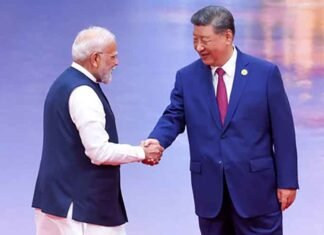
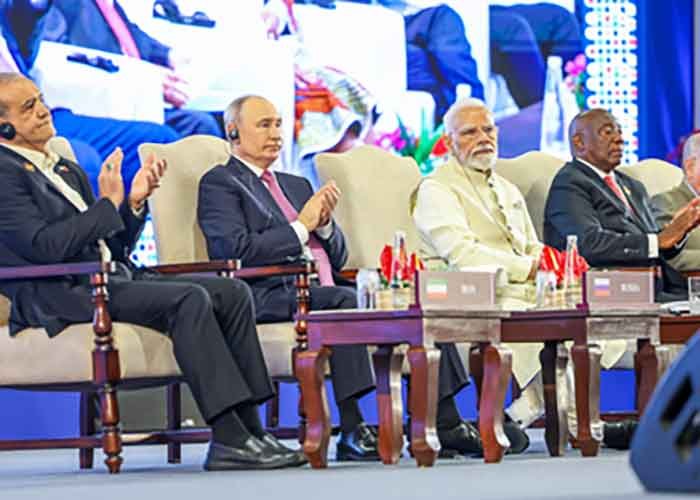
India has achieved a major diplomatic breakthrough at the 18th BRICS Summit, with member countries reaching consensus on a Joint Statement despite deep geopolitical differences within the expanded grouping.
The Joint Statement is expected to be released later on Saturday, the first day of the summit being hosted by India at Bharat Mandapam in New Delhi.
According to sources, India led sustained consultations and intensive negotiations from Friday through the early hours of Saturday, with discussions continuing until around 4 a.m. in an effort to bridge differences and build consensus among members.
The breakthrough assumes particular significance as Iran, Saudi Arabia and the UAE are all members of BRICS despite their differing positions on several regional and geopolitical issues.
“Against the backdrop of ongoing conflicts and heightened tensions in West Asia, securing consensus among countries such as Iran, Saudi Arabia and the UAE presented a particularly complex diplomatic challenge,” a source said.
India’s diplomatic efforts ensured that these differences did not derail the BRICS process, paving the way for agreement on a Joint Statement despite sharply divergent positions among member countries.
The development has also drawn attention to India’s handling of the BRICS chairship amid continuing global conflicts. In May, the BRICS ministerial summit in New Delhi ended without the customary joint statement for the first time in the grouping’s history, following deep divisions between Iran and the UAE.
India had instead issued a Chair’s Statement and Outcome Document after member countries failed to reach consensus.
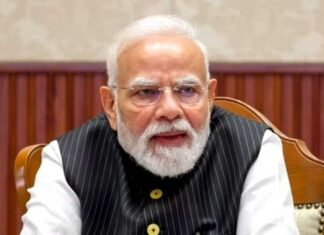
Prime Minister Narendra Modi and India have consistently advocated dialogue and diplomacy as the way to resolve conflicts, while stressing that this is not an era of war and that solutions cannot emerge from the battlefield.
During its BRICS chairship, India has also sought to advance the interests of the Global South while maintaining the grouping as a platform that does not position itself as anti-Western.
India’s balancing role has been particularly challenging following the expansion of BRICS. Analysts have pointed to differences within the grouping, with India and Brazil largely viewing BRICS through an economic lens, while China and Russia attach greater geopolitical significance to it.
India has positioned itself as a reformist rather than revisionist power, seeking greater representation in global governance, including a permanent seat on the UN Security Council, as well as a stronger role in shaping international financial and technological rules.
 FOLLOW NOW