

Chandigarh, September 13, 2026 (Yes Punjab News)
The Bhagwant Singh Mann-led Punjab Government is using an evidence-based school curriculum under its ‘Yudh Nashean Virudh’ campaign to challenge common misconceptions about drugs, addiction and peer pressure among students, with the aim of preventing experimentation before it develops into dependence.
The curriculum has been developed in collaboration with the Center for Effective Global Action (CEGA) at the University of California, Berkeley, and J-PAL, a research organisation co-founded by Nobel laureates Abhijit Banerjee and Esther Duflo.
The programme seeks to counter beliefs such as “I’ll try it only once”, “I can stop whenever I want” and the perception that rehabilitation is an easy, one-time solution. It emphasises that young people may underestimate the addictive potential of opioids and other substances, increasing the risk of experimentation and addiction.
The curriculum addresses six key misconceptions. These include the belief that trying heroin or “chitta” once or a few times cannot lead to addiction, that drug dependence can always be overcome through willpower, and that rehabilitation necessarily guarantees a permanent cure.
It also cautions students against viewing substances such as tobacco, alcohol, opium, pills and prescription medicines as harmless alternatives. The programme highlights how experimentation can begin unintentionally, often amid peer pressure, personal crises, mental health challenges or performance-related pressures.
Another focus is the wider impact of addiction. The curriculum explains that substance abuse can have physical, medical, financial and social consequences extending beyond the individual to families and relationships.
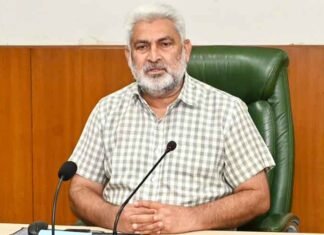
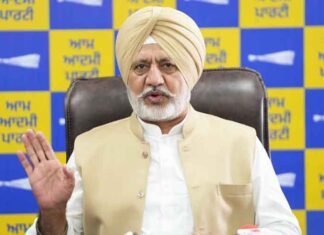
Punjab Health and Family Welfare Minister Dr Balbir Singh said the campaign aimed to shift the conversation on drug abuse towards prevention.
“At its core, the Yudh Nashean Virudh campaign is seeking to change the conversation around drug abuse—from one that begins only after addiction has taken hold to one that begins when a youngster first hears: ‘Try it once; nothing will happen.’ The objective is fairly simple: break the myth before the myth becomes a habit, and stop experimentation before it becomes dependence,” he said.
Amandeep Kaur, Nodal Teacher for the curriculum at the School of Eminence, Chheharta, Amritsar, said the programme had helped students understand addiction through a scientific perspective while equipping them to deal with peer pressure.
She said the curriculum gives students a better understanding of how addictive substances affect the brain and body, while also providing practical strategies to confidently refuse drugs when confronted with an offer to experiment.
The initiative places prevention at the centre of Punjab’s anti-drug campaign by seeking to equip students with knowledge and practical tools before experimentation can turn into dependence.
 FOLLOW NOW