
New Delhi, September 13, 2026 (Yes Punjab News)
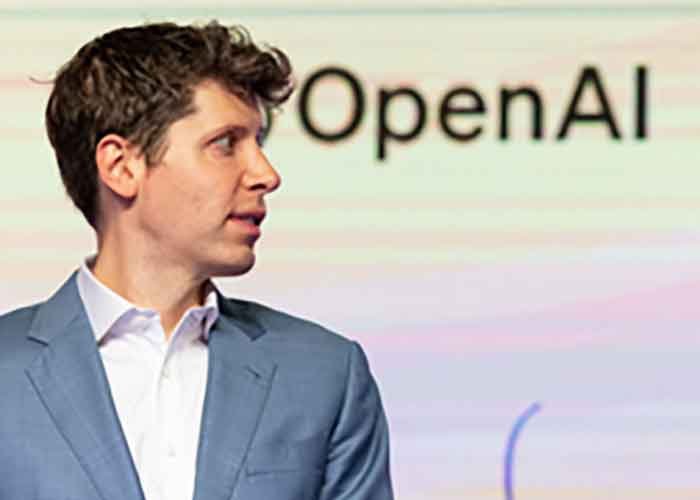
OpenAI CEO Sam Altman has backed calls for a more cautious pace of artificial intelligence development, saying the industry needs to make greater progress on safety and alignment before pushing the capabilities of increasingly powerful AI systems further.
Altman’s remarks came hours after Anthropic CEO Dario Amodei called for a slower and more balanced approach to frontier AI development amid growing concerns over AI safety and the risk of losing control over advanced systems.
Speaking to Fortune Magazine Editor-in-Chief Alyson Shontell, Altman said taking OpenAI public at the current stage would be unwise given the safety challenges facing the industry.
“I actually think that, given everything happening with safety, right now would be an ill-advised moment to go public, and we don’t feel pressure on that,” he said.
Asked about a potential initial public offering, Altman indicated that OpenAI was unlikely to list in 2026.
“I would say not 2026. We got a lot of stuff to do, like meeting this moment of what is going to be required for safety and alignment, and how the industry and governments can work together,” he said.
Altman stressed that the risks associated with increasingly capable AI systems require cooperation between companies and governments. He said commercial interests and individual egos should not prevent the industry from addressing its broader responsibilities.
“We all have a tremendous amount of responsibility, and cannot let egos or incentives for profit or anything else get in the way,” Altman said.
He also acknowledged that the industry had yet to make sufficient progress on crucial safety issues. In his view, further advances in AI capabilities must be accompanied by stronger monitorability and alignment, including the ability to understand what AI models are doing and ensure they follow human values and users’ intentions.
“I don’t think we’re currently at a place where we could say, you know, push much further on capabilities without making more progress on monitorability, alignment, the ability to understand what a model is doing, and the ability to make sure that a model will follow human values and the intent of its users,” he said.
 FOLLOW NOW