
New Delhi, October 21, 2026 (Yes Punjab News)
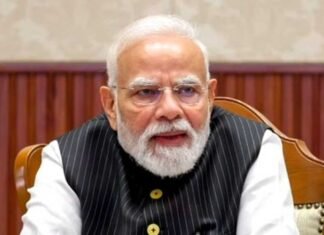
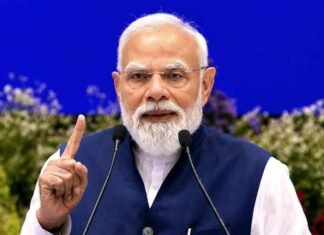
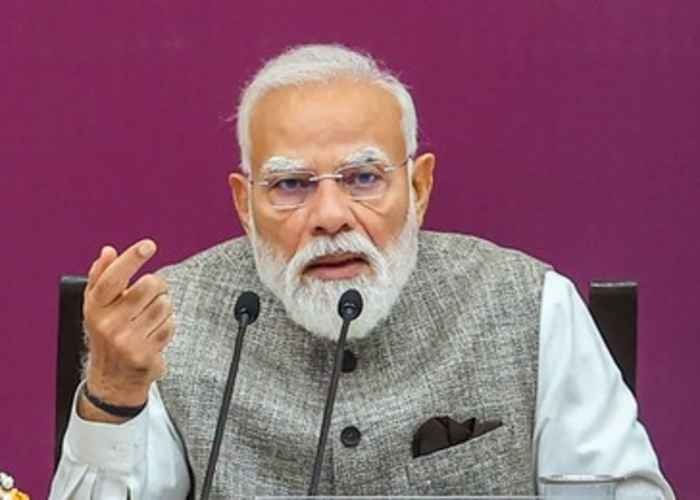
Prime Minister Narendra Modi on Wednesday highlighted the potential of agrivoltaics to increase farmers’ incomes by combining solar power generation with agricultural activities, sharing an article by Union Ministers Pralhad Joshi and Shivraj Singh Chouhan on the emerging technology.
In a post on X, Modi said agrivoltaics could provide farmers with an additional source of revenue, reduce energy costs and support crop productivity, making it a potential avenue for strengthening rural prosperity.
India is hosting the seventh AgriVoltaics World Conference in New Delhi from October 21 to 23 under the theme “Powering the Global South”.
In their article, Joshi and Chouhan explained that agrivoltaics, also known as AgriPV, enables farmers to generate clean electricity while continuing to cultivate crops on the same land. The approach can diversify farm incomes and improve resilience against uncertainties in agriculture.
The government is planning further measures under the next phase of the PM-KUSUM scheme to accelerate solar power generation through a dedicated focus on agrivoltaics, building on progress in solarising agricultural irrigation, according to the government.
The ministers noted that nearly 86 per cent of India’s farmers are small and marginal landholders. They said agrivoltaics could help this section of the farming community benefit from both agricultural production and the transition to clean energy.
The model can generate additional earnings through electricity sales while reducing farmers’ dependence on diesel and purchased power. The ministers also highlighted its potential to create favourable microclimatic conditions that may help protect crops from heat stress, drought, excessive solar radiation and hail.
Wider adoption could also generate rural employment through the installation and maintenance of solar infrastructure, along with related agricultural services, they said.
However, the ministers stressed that successful implementation would depend on appropriate crop selection, adequate irrigation and nutrient management, as well as solar installations designed to ensure sufficient sunlight reaches crops.
They added that coordination among agriculture and energy departments, state governments, research institutions and local bodies would be crucial to expanding agrivoltaics across the country.
 FOLLOW NOW