
New Delhi, August 15, 2026 (Yes Punjab News)
As many as 7.99 lakh Waqf properties had been enlisted on the UMEED Central Portal-2025 by August 7, according to data from the Union Ministry of Minority Affairs.
Uttar Pradesh accounted for the highest number of properties initiated or completed on the portal at 1.52 lakh, followed by West Bengal with 1.31 lakh, official data showed.
Other states with substantial numbers of properties listed on the portal include Kerala (79,929), Maharashtra (71,947), Telangana (63,982) and Karnataka (58,846).
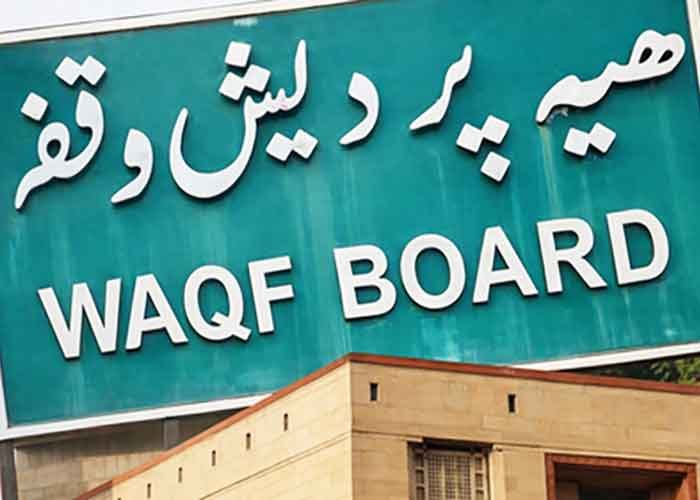
The Delhi Waqf Board had uploaded details of 3,233 properties, while Dadra and Nagar Haveli and Daman and Diu recorded the lowest figure, with two properties listed as of August 7.
Maharashtra also reported the highest number of properties returned to Waqf makers, at 9,292. Kerala followed with 4,418 properties, while 3,198 were returned in Gujarat.
The UMEED Central Portal-2025 was developed under Section 3(ka) of the Unified Waqf Management, Empowerment, Efficiency and Development (UMEED) Act, 1995, as amended by the Waqf (Amendment) Act, 2025. It was launched on June 6, 2025, for uploading Waqf property details, registering new Waqfs and facilitating transparent management and governance of Waqf properties.
Minority Affairs Minister Kiren Rijiju had informed the Lok Sabha that the amended law mandates uploading details of all existing Waqfs registered before the commencement of the Act on the portal.
The Minister also acknowledged that users had reported intermittent technical and operational difficulties, particularly during the portal’s initial phase and periods of heavy traffic. These included login delays, connectivity issues and non-submission of mandatory documents.
According to the Ministry, the challenges were linked largely to digitisation of large volumes of legacy records, variations in internet connectivity, differing levels of digital preparedness among field-level officials and gaps in records available with some State Waqf Boards.
While uploads were relatively modest during the initial months, the volume increased substantially as the six-month deadline approached. The Ministry subsequently augmented server capacity to handle the increased traffic and maintain uninterrupted functioning of the portal.
 FOLLOW NOW