
New Delhi, August 17, 2026 (Yes Punjab News)
Security agencies have detected increased activity allegedly linked to Pakistan’s Inter-Services Intelligence (ISI) in West Bengal over the past few months, with officials saying several modules involved in planned attacks, counterfeit currency operations and surveillance have been identified and disrupted.
According to intelligence officials, the Pakistan-based agency has renewed its focus on West Bengal and established or activated multiple modules in areas along the India-Bangladesh border.
An Intelligence Bureau official said the ISI’s strategy had evolved amid intensified action against illegal immigration by the West Bengal government and increased surveillance along the border.
Officials said that while illegal infiltration remained a key objective attributed to the ISI, difficulties in moving people across the border had led the agency to place greater emphasis, for now, on targeted killings, counterfeit currency and surveillance.
According to the officials, ISI-backed elements had previously sought to facilitate the movement of Bangladeshi nationals into West Bengal and the northeastern states, with the alleged objective of influencing demographic patterns and creating conditions for communal tensions.
Enhanced border surveillance and security measures have made such infiltration more difficult, officials said.
Intelligence agencies have also flagged an increase in attempts to circulate counterfeit Indian currency in West Bengal. Modules operating in Malda are allegedly playing a significant role in the network and have maintained contact with operatives in Bangladesh to expand the production and circulation of fake notes.
Officials said counterfeit currency intended for circulation in India is being produced both domestically and across the border. They also alleged that manufacturing units in Pakistan were supplying fake currency to West Bengal through Bangladesh.
Another security official said the ISI was deliberately keeping the size of its modules small to reduce the possibility of detection. Current modules generally comprise three or four members, the official said.
Investigators have also detected efforts to establish coordination between modules operating in India and Bangladesh, which officials believe could allow larger operations to be planned and executed.
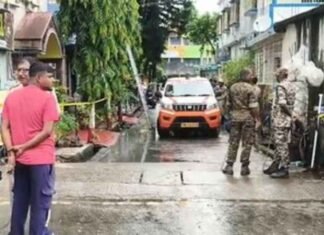
Recent arrests have highlighted the alleged network’s activities. Last Sunday, the West Bengal Special Task Force (STF) arrested three people — Nasiruddin, Saiful and Rashidul — in Cooch Behar in connection with an alleged counterfeit currency operation.
Investigators suspect the trio was involved in circulating fake currency in the Indian market. Nasiruddin has also been accused of preparing Indian SIM cards for transfer to Pakistan. Officials said such SIM cards are allegedly used by handlers to communicate with operatives involved in attacks in India.
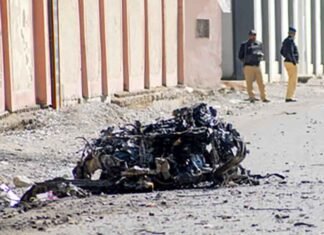
In another case, the STF earlier dismantled a module allegedly planning bomb blasts and an assassination attempt targeting West Bengal Chief Minister Suvendu Adhikari. An official claimed that the module was operating under instructions from ISI-linked handlers based in Pakistan.
Officials said the recent arrests and module busts indicate heightened ISI-related activity in West Bengal. They added that the agency was also reassessing its operational strategy in Jammu and Kashmir while maintaining a significant focus on West Bengal and the northeastern states.
 FOLLOW NOW