Patna, August 17, 2026 (Yes Punjab News)
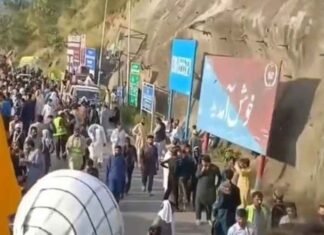
At least seven devotees were killed and more than 13 others injured after a stampede broke out near the famous Ashok Dham Temple in Bihar’s Lakhisarai district on Monday morning, as a large crowd gathered for ‘Jalabhishek’ on the third Monday of the holy month of Sawan.
The incident occurred along the route between Ashok Dham railway station and the temple. According to the Lakhisarai District Magistrate, the crowd became particularly dense between 6:30 a.m. and 7 a.m., with the queue of devotees extending towards Ashok Dham Halt, where two trains were reportedly stationed.
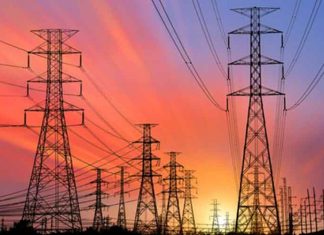
A sudden collapse of an electric pole triggered panic among the devotees. A rumour that the fallen pole was still electrically charged reportedly spread through the crowd, prompting people to rush in different directions. Several devotees fell to the ground and were crushed in the ensuing stampede.
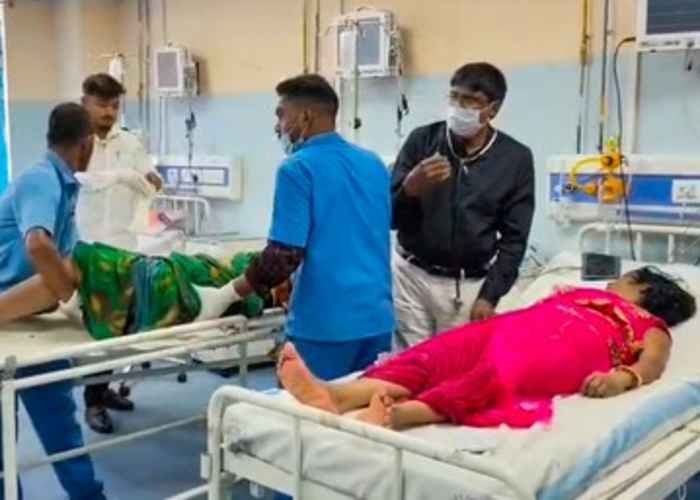
Locals and fellow pilgrims immediately launched rescue efforts, while police and administrative officials rushed to the spot after receiving information about the incident. The injured were taken to Sadar Hospital in Lakhisarai for treatment.
The deceased identified so far include Manmala Devi, 44, wife of Niranjan Kumar of Ind Tola in Barahiya; Rinku Devi, 50, wife of Neeraj Yadav of Farda in Munger’s Safiasarai; Hemlata Devi, 55, wife of Surendra Yadav of Kaindi Pratappur in Halsi; and Lalita Devi, wife of Gorelal Yadav of Pratappur in Halsi. Three others are yet to be identified.
Authorities are monitoring the condition of the injured and have not ruled out a rise in the casualty count.
Bihar Chief Minister Samrat Choudhary expressed grief over the deaths and described the incident as extremely tragic. He conveyed condolences to the bereaved families and directed the administration to ensure prompt and proper treatment of those injured.
Ashok Dham Temple, also known as Shri Indradamneshwar Mahadev Temple, is a prominent religious site in Lakhisarai. The temple is known for its massive Shivling associated with the Pala period, which was discovered during excavation.
The shrine witnesses a particularly heavy influx of devotees on Mondays during Sawan, with large numbers gathering to perform ‘Jalabhishek’.
 FOLLOW NOW