New Delhi, July 5, 2026
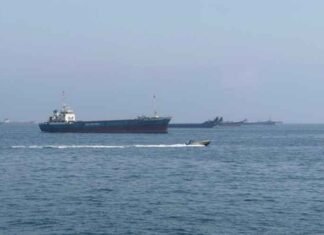
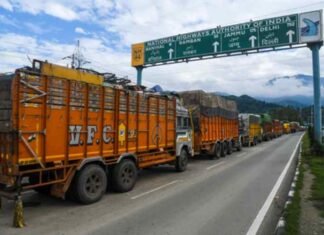
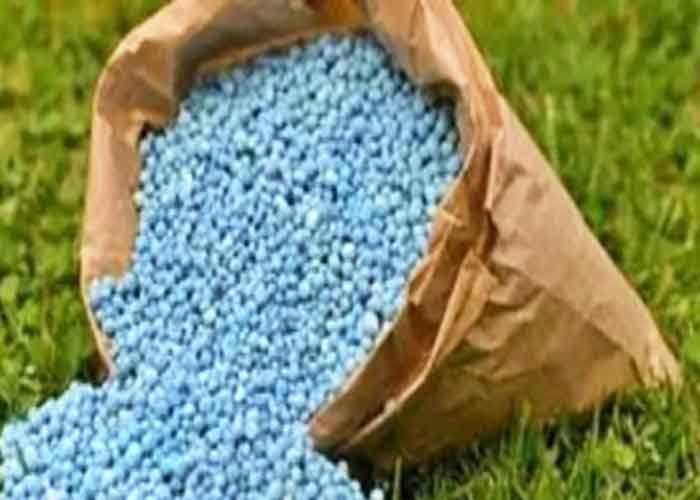
A total of 15 India-bound ships carrying fertilisers and fertiliser raw materials have safely crossed the Strait of Hormuz, which will lead to a significant increase in the country’s fertiliser stocks, according to an official statement issued on Sunday.
Among the 15 vessels, eight vessels are carrying 3.32 lakh metric tonnes (LMT) of urea, four are carrying 2.57 LMT of DAP, and three are carrying 1.11 LMT of sulphur.
In addition, five more vessels are scheduled for India. One vessel is carrying 0.25 LMT of ammonia, while another is carrying 0.45 LMT of urea. Loading of urea is currently underway on two more vessels, while one vessel is being loaded with sulphur. These vessels are also expected to arrive in India as scheduled. Their arrival will further strengthen the country’s fertiliser stocks, the statement said.
Natural gas supply to fertiliser plants in the country, which had temporarily fallen to nearly 65 per cent, has now been fully restored to 100 per cent. Consequently, all urea plants across India are operating at full capacity, resulting in a significant increase in domestic production, the statement said.
Despite disruptions to maritime traffic in the Strait of Hormuz during the recent conflict in West Asia, the government ensured uninterrupted availability of fertilisers through timely planning, effective coordination and continuous monitoring. It has also secured fertiliser supplies from several new countries through diplomatic and strategic efforts, further strengthening India’s fertiliser supply chain. In this process, 28 Indian Missions abroad played a crucial role, facilitating contacts with potential producers and suppliers and actively supported the Department of Fertilisers in ensuring the timely availability of fertilisers, the statement said.
For urea, supplies have been successfully arranged from Oman, Malaysia, Vietnam, Georgia, Nigeria, Russia, Finland, Egypt, Algeria, Turkiye, and the Netherlands. Similarly, for DAP and NPK fertilisers, necessary supplies have been secured through the Red Sea maritime route from Russia, Morocco, Egypt, the United States, Jordan, South Korea, Tunisia, and Saudi Arabia.
Union Minister for Chemicals and Fertilisers J.P. Nadda said: “The conflict that began in West Asia severely disrupted global supply chains. Fertiliser prices soared and shipment transit times increased considerably. India was also affected by this global crisis, resulting in challenges in ensuring uninterrupted supplies of fertiliser raw materials and finished fertilisers. However, under the able leadership of Prime Minister Narendra Modi, the Government of India remained vigilant and fully prepared from the very beginning.”
“Fertilisers are being made available to Indian farmers in a timely, equitable and affordable manner. Despite extremely challenging global circumstances, our government has ensured that the interests of our farmers remain fully protected. Even amid an unprecedented surge in global fertiliser prices, the Government of India has kept farmers’ welfare as its highest priority.”(Agency)
 FOLLOW NOW