United Nations, August 20, 2026 (Yes Punjab News)
India has called for greater transparency and objectivity in the UN Security Council’s process of listing and delisting terrorist organisations, warning that the Council must not be used to legitimise terrorists or advance narrow political interests.
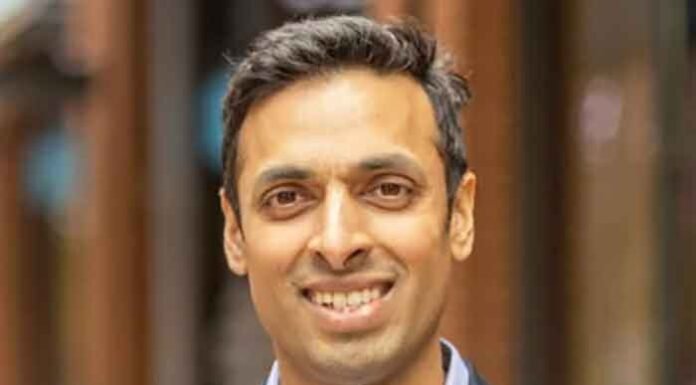
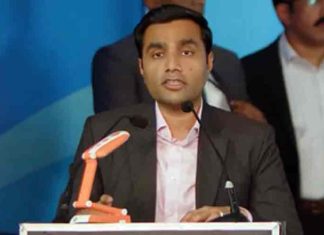
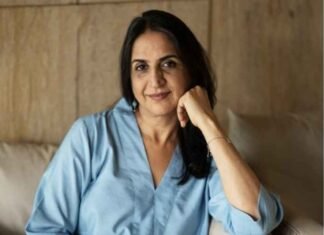
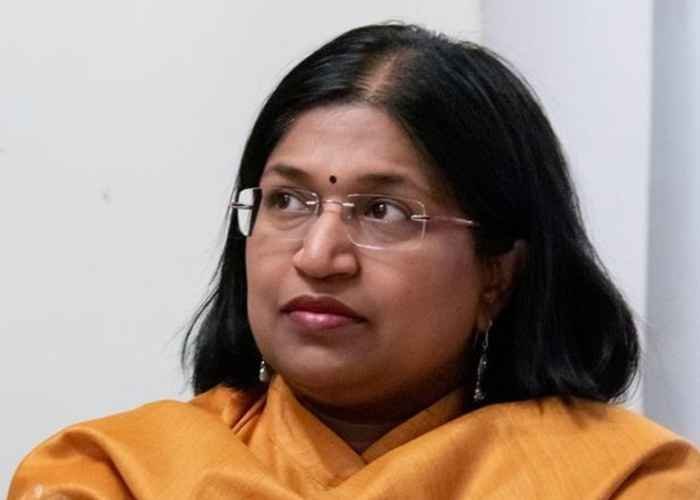
Speaking at the Security Council’s Open Debate on its Working Methods, Yojna Patel, Charge d’Affaires of India’s UN Mission, said membership of the Council carried significant responsibilities and should not become a platform for political manoeuvring.
“Presence in the Security Council must not be instrumentalised to legitimise terrorists by attempting to de-list them or to list other entities as terrorist organisations based solely on political considerations, without any objective criteria or supporting documentation,” Patel said.
She called for greater transparency in the listing and delisting of terrorist groups and individuals, as well as in the appointment of chairs to the Council’s subsidiary bodies dealing with sanctions and counterterrorism.
Patel also highlighted the prolonged failure of the Council to appoint chairs for several subsidiary bodies, saying the stalemate had affected their functioning.
“These bodies have not been able to deliver optimally in the recent past, primarily due to the delay in finalising the Chairs,” she said, urging the Council to resolve the issue on priority.
India called for a “definitive and non-negotiable timeline” for appointing chairs to subsidiary bodies.
The remarks come amid disagreements within the Council over terrorism-related listings. Pakistan and China had unsuccessfully sought to have the Baloch Liberation Army and Majeed Brigade listed as terrorist entities subject to UN sanctions, while the US, France and Britain opposed the move.
India also pointed to previous efforts to designate Pakistan-based terrorists at the UN. China had for years blocked attempts to list Jaish-e-Mohammad chief Masood Azhar and Lashkar-e-Taiba operative Sajid Mir as global terrorists.
Patel said the issue of delayed appointments had broader implications for the Council’s ability to address terrorism and other security challenges. Japan also expressed concern over the delay and called for agreement through “balanced, transparent, efficient and inclusive consultations”.
India renews call for UNSC reform
Patel also highlighted the need to give greater representation to countries contributing troops and police personnel to UN peacekeeping operations.
She said troop- and police-contributing countries go “far beyond the UNSC membership” and should therefore have a role in decisions concerning peacekeeping mandates and resources.
India reiterated its longstanding demand to expand both the permanent and non-permanent membership of the Security Council, arguing that its current structure reflects the geopolitical realities of 80 years ago.
Patel said meaningful reform could be achieved only through text-based negotiations with clearly defined milestones and timelines.
India’s intervention comes amid continuing deadlock in the Intergovernmental Negotiations process on Security Council reform, with disagreements among member states preventing substantive progress.
 FOLLOW NOW