
Prayagraj, September 9, 2026 (Yes Punjab News)
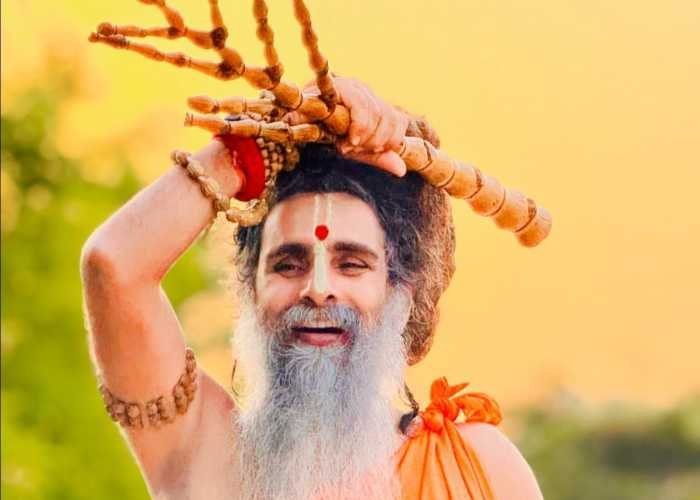
Sadguru Riteshwar Ji Maharaj, head of Shri Anandam Dham, has praised the film Hanuman Ansh, saying its reception reflects a change in India’s cultural mindset and growing interest in content rooted in the country’s spiritual and historical traditions.
Speaking to IANS, Riteshwar Maharaj said India’s identity was deeply connected with Sanatan culture and argued that films and web series continued to have considerable influence, particularly among younger generations.
He alleged that money opposed to India’s cultural interests had previously been used in the entertainment industry to undermine the country’s historical and religious heritage. However, he said Bollywood was increasingly producing films centred on Indian heroes, religion and culture.
Riteshwar Maharaj cited Hanuman Ansh, based on the life and teachings of Neem Karoli Baba, popularly known as Maharaj Ji, as an example. He said the film, despite being made on a relatively modest budget, had generated substantial earnings.
“This means that India’s mindset has now changed,” he said.
The spiritual leader said younger generations, including Gen-Z and Gen-Alpha, wanted India to combine technological advancement and new-age fields with the Sanatan Vedic tradition. He said such a balance could help India regain its position as a “Vishwaguru”.
His remarks came amid criticism from Congress leader Rashid Alvi, who accused the BJP of using religion as a political tool to influence people and secure votes. Alvi also criticised the demolition of a mosque inside the Saharanpur Collectorate campus in Uttar Pradesh.
Alvi alleged that films such as Hanuman Ansh, written and directed by Vishal Chaturvedi, were part of a broader effort to influence people through religious sentiments for political gains.
Responding to the criticism, Riteshwar Maharaj said India’s political system had historically been guided by Dharma and argued that religious values should remain above political interests.
He said opposition parties were expected to criticise governments in a democracy, but maintained that governments should distinguish political rhetoric from issues involving genuine public interest. Where legitimate concerns arise, he said, authorities should set aside ego, acknowledge them with humility and take corrective action.
 FOLLOW NOW