

New Delhi, August 12, 2026 (Yes Punjab News)
Pakistan’s reported airstrikes in Balochistan, which allegedly killed more than 30 civilians including women and children, have once again drawn attention to the country’s long history of using military force against populations within its own borders.
The reported strikes in Surab district on Wednesday are the latest in a series of incidents in which Pakistani military operations against suspected militants have also resulted in civilian casualties. Nearly a year ago, the Pakistan Air Force reportedly carried out a similar bombing in a village in Khyber Pakhtunkhwa, leaving almost the same number of people dead.
Pakistan’s most notorious use of military force against its own population came in 1971, when the government launched Operation Searchlight in then East Pakistan following the electoral victory of the Awami League and growing demands for greater political autonomy.
The military crackdown involved tanks, artillery and air power and was accompanied by widespread allegations of mass killings, rape and attacks on intellectuals and political opponents. Several lakh people are estimated to have died during the nine-month conflict. Bangladesh continues to observe March 25 as Genocide Day to commemorate the victims.
In the years since, Pakistan’s military has repeatedly conducted operations in its tribal regions against groups described as Taliban or Al-Qaeda militants. Airstrikes and artillery attacks on suspected insurgent positions have frequently been accompanied by reports of civilian deaths, destruction of villages and mass displacement.
Human rights organisations have criticised the conduct of some of these operations, arguing that attacks in populated areas can deepen grievances, intensify insurgencies and aggravate ethnic tensions rather than resolve them.
Pakistan’s military record has also been criticised for the use of civilian areas during conflicts with India. There have been allegations that villages and other civilian settlements were used as firing positions during the 1965 and 1971 wars, while civilian populations along the Line of Control in Jammu and Kashmir have continued to face the consequences of military confrontation.
International humanitarian law requires parties to armed conflicts to distinguish between civilian and military targets. The Geneva Conventions and their related legal framework provide extensive protections for civilians during armed conflict and prohibit practices that expose civilian populations to unnecessary military danger.
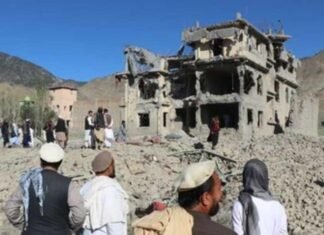
Pakistan has also faced condemnation over military strikes inside Afghanistan, which Islamabad has said were aimed at militant targets. Afghan authorities have repeatedly reported civilian casualties and destruction of homes following such attacks.
The broader regional record offers other examples of the devastating consequences of military campaigns in populated areas. In Myanmar, United Nations investigators and other international organisations have documented airstrikes affecting civilians, including attacks damaging homes, schools, hospitals and displacement camps.
Myanmar’s military has also been accused of using aircraft, drones and motorised paragliders to conduct attacks in civilian areas. The United States Committee for Refugees and Immigrants has previously highlighted reports of strikes affecting schools, hospitals, religious sites and camps housing displaced people.
Sri Lanka, too, faced allegations of attacks on civilian areas during the final stages of its civil war in 2009, with government forces accused of shelling areas where civilians had sought refuge.
The recurring pattern across these conflicts underscores the risks when military operations are conducted in or around civilian populations. Beyond the immediate loss of life, such attacks can destroy homes and essential infrastructure, displace communities and leave grievances that endure for generations.
 FOLLOW NOW