

Kathmandu, October 2, 2026 (Yes Punjab News)
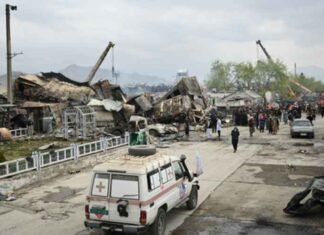
After providing emergency food, clothing and other assistance to people affected by devastating floods in Nepal, UNITED SIKHS is now preparing to move into the next phase of its humanitarian mission with a long-term shelter project for families who lost their homes.
The United Nations-affiliated humanitarian aid and advocacy organisation said Phase 3 of its relief mission would focus on providing safe and dignified housing to displaced families, taking its intervention beyond immediate relief towards rehabilitation and long-term recovery.
As part of the proposed Shelter Project, UNITED SIKHS will first conduct reconnaissance of flood-affected areas and government-established shelter homes to assess the feasibility and scope of the initiative.
The organisation is also engaging with Rotary Club Kathmandu and other local NGOs to explore partnerships for implementing the project.
UNITED SIKHS said the initiative envisages construction of durable housing to provide greater security and stability to families who have suffered extensive losses in the floods.
The organisation said the next phase was not merely about rebuilding physical structures but helping survivors rebuild their lives and move from dependence on emergency assistance towards recovery and self-reliance.
At the same time, UNITED SIKHS has flagged the immediate needs of displaced families as Nepal heads towards the colder winter months.
It said warm clothing, blankets, bedding, heaters, hot-water bottles and household essentials were urgently required. Hygiene and sanitary kits were also among the necessities identified for affected families.
UNITED SIKHS said its teams have been engaged in sustained relief operations across several districts since the floods struck.
For 10 consecutive days, the organisation operated a Langar Sewa, or free community kitchen, providing three hot meals every day to more than 2,000 people.
Besides displaced families, the Langar Sewa also provided meals to army personnel involved in rescue operations.
The humanitarian response included distribution of clothing, particularly for children, while first-aid kits were supplied to families staying at holding centres to address immediate medical requirements.
UNITED SIKHS also assisted families searching for missing relatives who had been returning from Kailash. The organisation said its teams coordinated with hospitals and government offices to obtain and provide verified information to concerned families.
Survivors from villages in Rasuwa who were subsequently sheltered in Kathmandu were provided 350 side bags along with other supplies to help them cope with displacement and begin regaining stability.
The organisation said its approach has focused on structured, need-based humanitarian assistance rather than one-time distributions, with an emphasis on ensuring that available resources reach those most in need.
With the immediate relief phase continuing alongside preparations for the Shelter Project, UNITED SIKHS said its focus was now expanding from emergency response to creating a pathway towards longer-term rehabilitation for Nepal’s flood-affected families.
 FOLLOW NOW