
New Delhi, October 2, 2026 (Yes Punjab News)
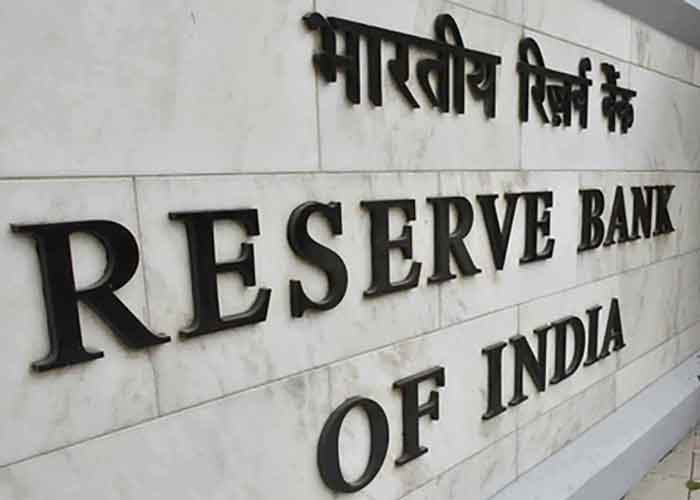
Indian banks incurred nearly $500 million in mark-to-market losses on their foreign exchange trading books in the first half of 2026 after regulatory changes by the Reserve Bank of India (RBI) forced lenders to unwind currency positions, according to research by Crisil Coalition Greenwich. The banks subsequently recovered around $400 million as market spreads widened and positions were normalised.
The losses followed the RBI’s March 27 directive requiring authorised dealer banks to keep their end-of-day onshore rupee net open positions within $100 million. Banks were given until April 10 to comply, triggering a rapid adjustment of their trading books.
The position unwinding came amid heightened volatility in the rupee, foreign investor outflows and strong corporate demand for currency hedging.
“The short implementation window for the new RBI rules forced banks to unwind or rebalance positions quickly at a time of elevated rupee volatility, foreign-investor outflows and heavy corporate hedging demand,” said Nitin Agicha, Vice President, Market Structure & Technology at Crisil Coalition Greenwich.
The research said the tighter limits also reduced banks’ ability to warehouse foreign exchange risk and provide liquidity. Restrictions on related-party derivatives further limited the ability of some lenders to offset their exposures efficiently.
Banks were subsequently able to recover a substantial portion of their initial losses as dealers began pricing in tighter balance-sheet capacity and higher execution risks, causing market spreads to widen. The RBI’s April 20 decision to withdraw some earlier instructions and permit limited exceptions for related-party transactions also eased operational pressure.
The report identified high crude oil prices as another major source of foreign exchange volatility, given India’s dependence on imported energy. It said India sources about 85 per cent of its crude oil and 50 per cent of its natural gas from overseas.
Between January and July 2026, India’s import bill increased by 20 per cent, while total imports reached $95.9 billion, according to the research — the highest level since 2011.
The RBI’s March directive came as the rupee was under significant pressure. The central bank required authorised dealers to bring their onshore rupee net open positions within the $100 million limit by April 10.
The research said the experience highlighted how quickly regulatory changes can affect foreign exchange trading revenues, liquidity provision and hedging costs in India’s bank-led currency market.
 FOLLOW NOW