

New Delhi, July 25, 2026 (Yes Punjab News)
The killing of a police head constable in Jammu and Kashmir’s Anantnag has raised fresh concerns among security agencies over attempts to revive militancy and separatist networks in the Valley after a prolonged decline in terror activities.
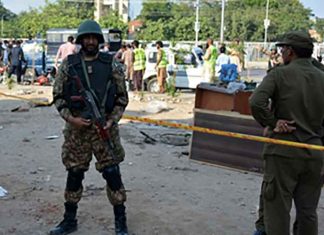
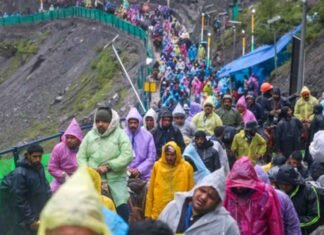
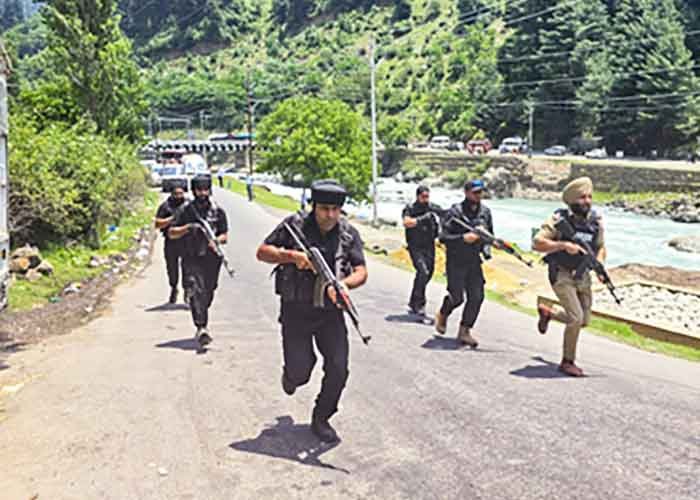
The July 22 attack, claimed by The Resistance Front (TRF), resulted in the death of head constable Ashiq Hussain Qureshi, 45, who was deployed for Amarnath Yatra security duty. It was the first major terror strike in the region since the Pahalgam attack last year that killed 26 tourists.
Security and intelligence agencies have since intensified operations, with officials stating that intelligence inputs point towards efforts to rebuild an ecosystem involving former terrorists, overground workers (OGWs), separatist elements and individuals involved in stone-pelting activities.
Officials said terror groups had remained under pressure following sustained counter-insurgency operations but were allegedly attempting to quietly rebuild their networks by staying away from public attention and waiting for opportunities to strike.
A senior intelligence official said the larger concern was not limited to individual attacks but also attempts to revive separatist narratives, which could create conditions for renewed unrest and recruitment.
Following the Anantnag attack, agencies have carried out extensive operations across several districts, including Pulwama, Kulgam, Shopian and Anantnag. Officials said hundreds of people have been detained for questioning as part of efforts to identify links, gather intelligence and dismantle suspected support networks.
Authorities clarified that not all those detained were directly involved in terror activities, with many being questioned as part of the broader investigation.
Security agencies are focusing on dismantling the overground worker network and countering attempts to radicalise local youth. Officials alleged that Pakistan’s Inter-Services Intelligence (ISI) has continued efforts to promote separatist sentiments and facilitate recruitment for terror groups in Jammu and Kashmir.
They also alleged that TRF, described by security agencies as a proxy outfit of Lashkar-e-Taiba, has been attempting to project attacks as local militancy by encouraging recruitment of residents from the Valley.
Officials said the objective of these efforts was to conceal cross-border involvement and create the impression of a home-grown insurgency.
 FOLLOW NOW