New Delhi, August 26, 2026 (Yes Punjab News)
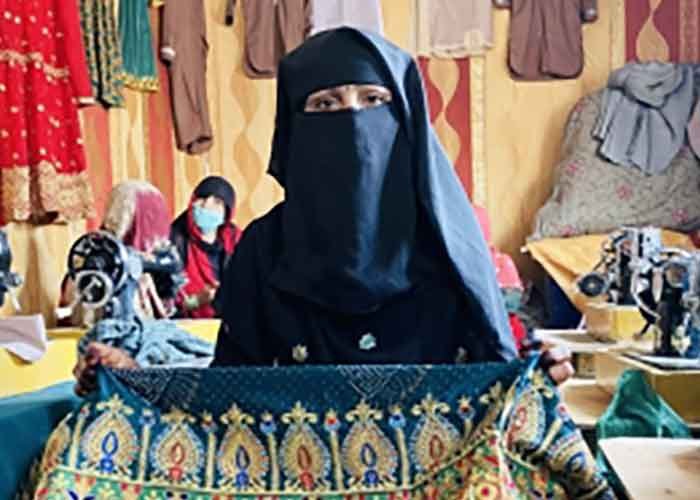
International pressure is mounting on Afghanistan’s Taliban regime to lift restrictions on the education and employment of women and girls, with global voices arguing that sustained diplomatic engagement could help influence the authorities on human rights and civil liberties.
Several countries and international organisations have called for the removal of restrictions while continuing humanitarian and infrastructure assistance to Afghanistan.
India has maintained humanitarian support for Afghanistan but has not formally recognised the Taliban administration. New Delhi has consistently called for an inclusive government in Kabul and stressed that Afghan territory must not be allowed to be used for terrorist activities against any country.
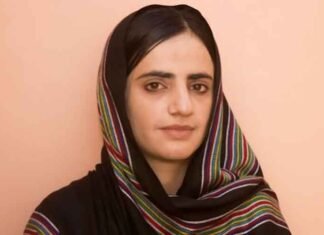
Aisha Wahab, who made history as the first Afghan-American elected to the US Congress, recently advocated diplomatic engagement with the Taliban as a means of encouraging progress on human rights and women’s rights.
“As an Afghan American, someone who is proud of my culture and heritage, it’s disappointing to see what is happening in Afghanistan, where they are blocking women and children from going to school, really living their lives,” Wahab told Democracy Now! in a video interview.
She said the United States should practise diplomacy and maintain relations with whichever group is in power, with the aim of steering it towards greater respect for human rights, women’s rights and civil rights.
Wahab, 39, was born in New York and raised in the US foster care system. She previously served as a California state lawmaker before winning a special election that made her the first Afghan-American member of Congress.
Her remarks came as a Taliban spokesperson told the BBC that restrictions on women’s education and employment should be considered through the framework of Sharia.
“We should see everything through the Sharia lens,” the spokesperson said, adding that the question of women’s education remained under discussion and required a “Sharia-based solution”.
Former Afghan President Hamid Karzai has also said girls’ education and women’s participation in the workforce are important factors in Afghanistan gaining international legitimacy, suggesting that the issues could become part of discussions over the country’s future.
A Washington Institute policy analysis published this month said the Taliban had learned that it could secure significant international benefits without making major concessions on key security and human rights issues. The analysis, however, argued that the US retained potential leverage through areas including UN credentialing, Treasury Department licensing and financing for projects in Central Asia.
The diplomatic landscape around the Taliban has also shifted. Russia became the first country to formally recognise the Taliban government in July 2025. Other countries have accepted Taliban-appointed diplomats without formally recognising the administration.
The Washington Institute analysis said Iran had emerged as Kabul’s principal interlocutor, ahead of China, while Turkey, Qatar and Uzbekistan occupied the next tier. India had moved from limited contact to becoming the Taliban’s eighth-most-frequent diplomatic partner, it said.
Relations between Kabul and Islamabad, meanwhile, have sharply deteriorated. Pakistan, once regarded as a key backer of the Taliban, and Afghanistan are now locked in an intense confrontation, with their border remaining closed for almost 10 months.
 FOLLOW NOW