

New Delhi, September 11, 2026 (Yes Punjab News)
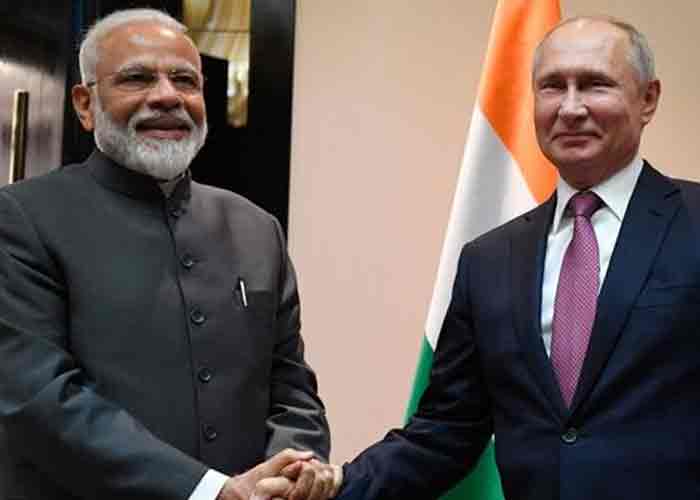
Prime Minister Narendra Modi on Friday said he had a “delighted” meeting with Russian President Vladimir Putin in New Delhi, less than two weeks after their previous interaction in Bishkek, with the two leaders discussing closer trade and economic ties, including implementation of the Programme for Economic Cooperation 2030.
Sharing details of the meeting on X, Modi said the discussions covered cooperation in infrastructure, energy, technology, defence and culture, besides India’s initiatives during its BRICS Presidency aimed at advancing the welfare of the planet.
The two leaders also exchanged views on key regional and global developments of mutual interest, including the conflicts in West Asia and the Black Sea region. Modi said these conflicts had affected maritime trade as well as the safety and security of Indian seafarers, and reiterated that India was ready to contribute to peace efforts.
According to the Ministry of External Affairs (MEA), Modi and Putin reviewed the progress of bilateral cooperation across political, economic, defence, energy, space, skill mobility and people-to-people sectors.
The leaders welcomed Russia’s International Industrial Exhibition INNOPROM India, organised in India for the first time from September 9 to 11, 2026. They underlined its importance in strengthening trade and industrial cooperation between the two countries. Modi and Putin also visited the exhibition and interacted with participating stakeholders.
The two leaders discussed India-Russia engagement in the multilateral sphere, particularly cooperation within BRICS under India’s 2026 Chairship.
On the ongoing regional conflicts, Modi reiterated that dialogue and diplomacy remained the way forward for resolving disputes and said India stood ready to assist in peace efforts.
The leaders agreed to remain engaged in further strengthening the Special and Privileged Strategic Partnership between India and Russia, which the MEA said had continued to grow significantly and demonstrated resilience amid geopolitical uncertainties.
 FOLLOW NOW