
Sriharikota, September 4, 2026 (Yes Punjab News)
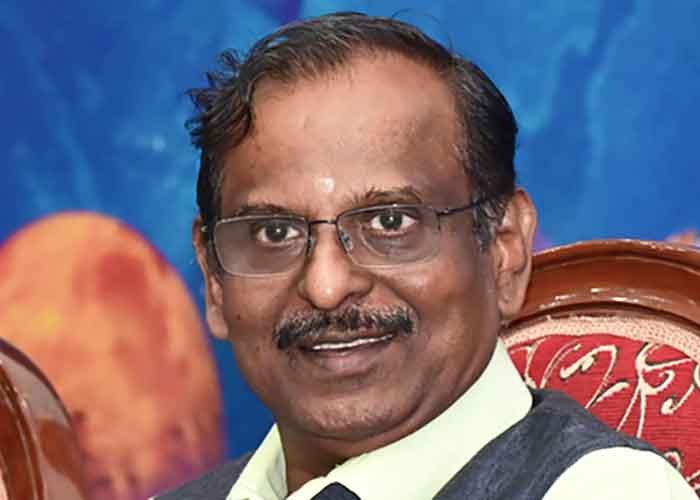
Indian Space Research Organisation (ISRO) Chairman Dr V. Narayanan on Friday defended the growing participation of private players in India’s space sector, saying the organisation alone cannot meet the country’s rapidly increasing demand for satellites and related services.
Speaking to IANS, Narayanan said India’s space economy and overall space ecosystem needed to expand significantly to meet future requirements.
“Please understand, our country’s space economy has to grow and the space ecosystem has to grow because ISRO alone cannot meet the needs of the country. Right now, we have 56 satellites, but the requirement is for hundreds of satellites,” he said.
Narayanan said the government’s space sector reforms were intended to facilitate wider industry participation, with ISRO supporting and guiding these efforts.
“We have to really ensure that the space ecosystem in our country grows. Therefore, we will have a lot of job opportunities, the economy will grow and more satellites will be produced,” he said.
On the successful launch of the GSLV-F17 carrying the EOS-05 Earth observation satellite, Narayanan described the mission as an important achievement and a matter of pride for the country.
“For the first time, the heaviest satellite has been lifted by the GSLV Mark II vehicle,” he said, adding that the launch vehicle’s payload capability had increased by nearly 40 per cent from its initial capacity of 1,536 kg.
Providing an update on the Kulasekarapattinam spaceport in Tamil Nadu, Narayanan said construction was progressing well and remained on schedule, with completion expected by March.
He also said the Gaganyaan human spaceflight programme was progressing as planned, with the first uncrewed mission targeted for this year.
The comments came hours after the GSLV-F17 rocket successfully lifted off from the Satish Dhawan Space Centre in Sriharikota at 2.55 a.m. on Friday, carrying EOS-05 on a pre-dawn mission that marked another milestone for India’s space programme.
 FOLLOW NOW