
Tel Aviv/Tehran, March 7, 2026
As tensions sharply escalated between the United States, Israel and Iran, the conflict entered its eighth day, with Israel carrying out a fresh round of strikes while explosions were reported at one of Tehran’s main commercial airports.
The confrontation, which began on February 28 with a strike in Tehran, has steadily widened in scope. What initially appeared to be a series of aerial exchanges has now expanded into a broader theatre of conflict, including drone attacks taking place across the Gulf region
US President Donald Trump adopted a hardline stance on the crisis, stating that there would be “no deal” with Iran unless it offered what he described as “unconditional surrender”.
He further suggested that after such a capitulation, Iran should move toward selecting a new leadership that would be acceptable to his administration.
Meanwhile, Kuwait’s military reported that its air defence systems had intercepted multiple incoming threats. According to the Kuwaiti authorities, a total of 12 Iranian drones, along with 14 ballistic or cruise missiles, were neutralised in several waves of attacks beginning at dawn.
Explosions caused by the interceptions reverberated across parts of the country, although officials said the only impact was limited property damage caused by debris falling after the intercepts.
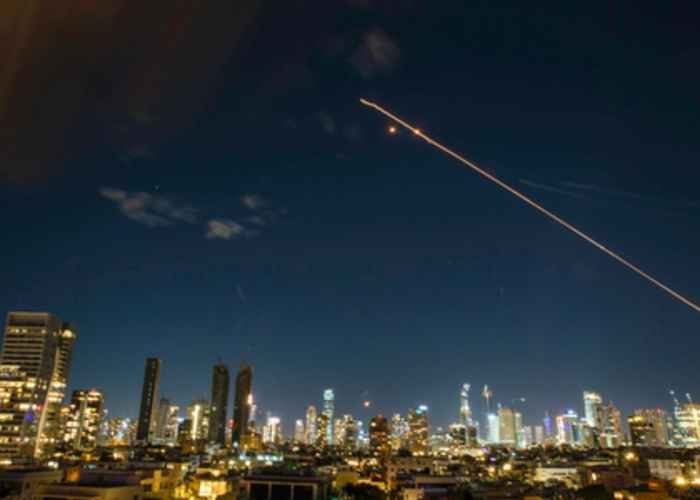
At the same time, the Israel Defense Forces (IDF) informed residents in northern Israel that they could leave bomb shelters after the latest Iranian ballistic missile launch appeared not to pose a direct threat and did not trigger warning sirens in the region.
However, the Israeli military later issued a fresh alert for residents in Tel Aviv, large parts of central Israel and the West Bank, warning that it had detected another missile launch originating from Iran, raising concerns of further escalation in an already volatile regional confrontation.(Agency)
 FOLLOW NOW