Chandigarh, August 10, 2026 (Yes Punjab News)
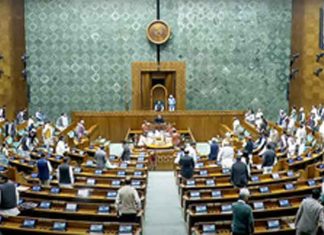
The Punjab Vidhan Sabha on Monday unanimously passed the Punjab State Outsourced Personnel (Transition to Contractual Engagement) Bill, 2026, paving the way for the removal of private contractors from government employment and the direct contractual engagement of eligible outsourced workers.
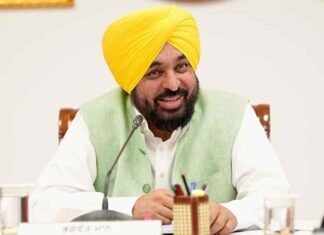
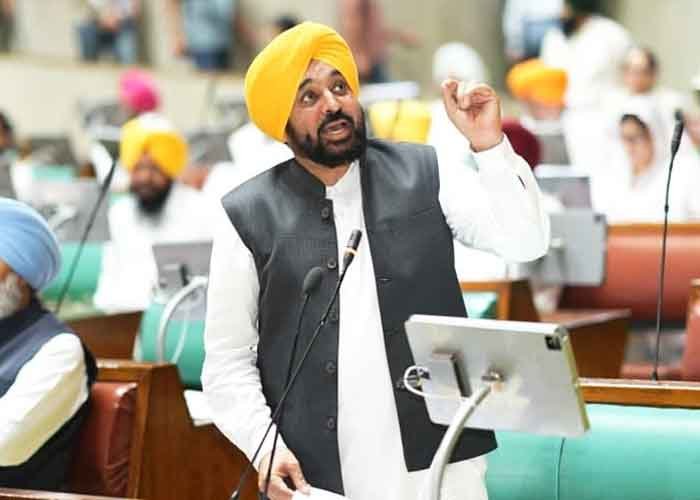
Chief Minister Bhagwant Singh Mann described the legislation as a landmark measure for employee welfare, saying it would end the decades-old system of contractual outsourcing and provide greater job security and social security benefits to thousands of workers.
Under the first phase of the initiative, around 26,000 to 28,000 eligible outsourced employees will be brought directly under contractual engagement with the government. Mann referred to the move as the transition of workers from being “outsourced” to “in-sourced” members of the government family.
The Bill will apply to eligible outsourced employees in Group C and Group D categories working in government departments and government-controlled institutions, particularly those engaged in essential public services and meeting the prescribed eligibility conditions.
Mann said workers brought under the new system would receive remuneration not below their existing salary or the applicable legally prescribed minimum wage, as applicable. They would also become eligible for Provident Fund (PF), gratuity, Employees’ State Insurance (ESI), maternity leave and 10 days of casual leave annually.
The legislation also provides for an iHRMS account for such employees, aimed at ensuring greater transparency in service records and employment-related information.
A major financial benefit, according to the Chief Minister, would come from eliminating the commission currently charged by outsourcing agencies. He said agencies presently deduct commissions ranging from 15 per cent to 22 per cent, and this amount would no longer be deducted from employees’ earnings as agency charges.
Mann said outsourced workers had contributed for years to the functioning of government departments, delivery of welfare schemes and public services, but the involvement of contractors had created persistent uncertainty over their employment.
“From today, the decades-old system of contractual outsourcing in Punjab will come to an end,” Mann said, asserting that the legislation would establish a direct relationship between the government and eligible workers.
He said the measure was intended to protect employees from contractual exploitation and provide them with greater financial and employment security.
 FOLLOW NOW