New Delhi, August 13, 2026 (Yes Punjab News)
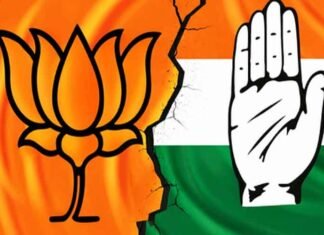
The Monsoon Session of Parliament witnessed an unusual political dynamic, with the government repeatedly calling for debates on contentious issues while the Rahul Gandhi-led Opposition refused to participate without first securing specific assurances from the Centre.
The deadlock centred on several issues, including the Election Commission’s Special Intensive Revision (SIR) of electoral rolls, the alleged NEET-UG paper leak, the July 20 protest by students and allegations of misappropriation of donations made to the Ram Temple in Ayodhya.
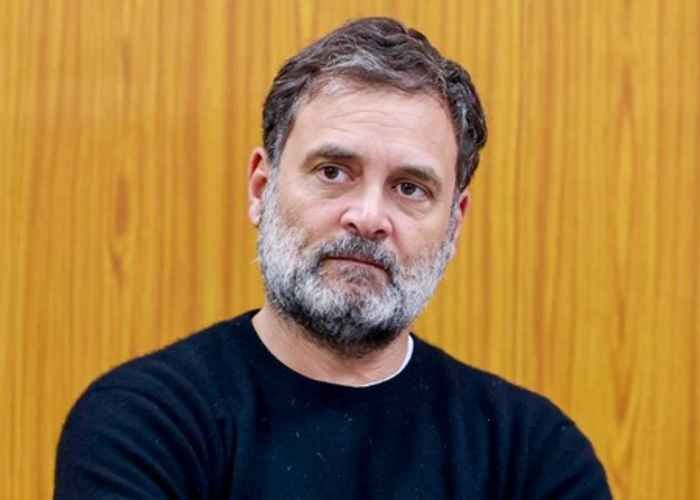
The Opposition’s position was led by Lok Sabha Leader of Opposition Rahul Gandhi, who demanded that Union Home Minister Amit Shah clarify who authorised police action against protesting students, that Prime Minister Narendra Modi apologise to students and that accountability be fixed over the alleged misuse of Ram Temple donations.
The government, however, maintained that these issues could be taken up through parliamentary debate. Union Parliamentary Affairs Minister Kiren Rijiju in the Lok Sabha and Leader of the House in the Rajya Sabha J.P. Nadda repeatedly invited the Opposition to participate in discussions.
Several attempts were also made to break the impasse, including meetings at the office of Lok Sabha Speaker Om Birla. The government even proposed linking the discussion on the student protest and paper-leak controversy with legislation concerning fast-track courts.
Shah also said he was prepared to answer questions in the House. The Opposition, however, maintained that accountability had to precede any discussion and rejected what it described as attempts to divert attention from its demands.
BJP leaders accused the Opposition of avoiding debate and using Parliament to sustain political campaigns, while Opposition leaders maintained that the government was evading accountability on issues of public concern.
The standoff marked a departure from the conventional parliamentary pattern in which Opposition parties typically press for debates while governments seek to avoid contentious discussions. During this session, the government projected itself as willing to debate, while the Opposition insisted on conditions before entering into discussions.
The resulting impasse turned much of the Monsoon Session into a battle over competing political narratives, with both sides seeking to shape the public discourse ahead of elections in several states next year.
 FOLLOW NOW