
Chandigarh, September 22, 2026 (Yes Punjab News)
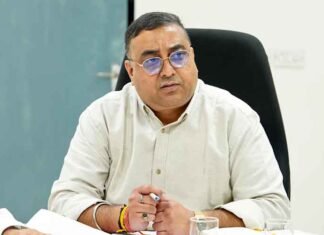
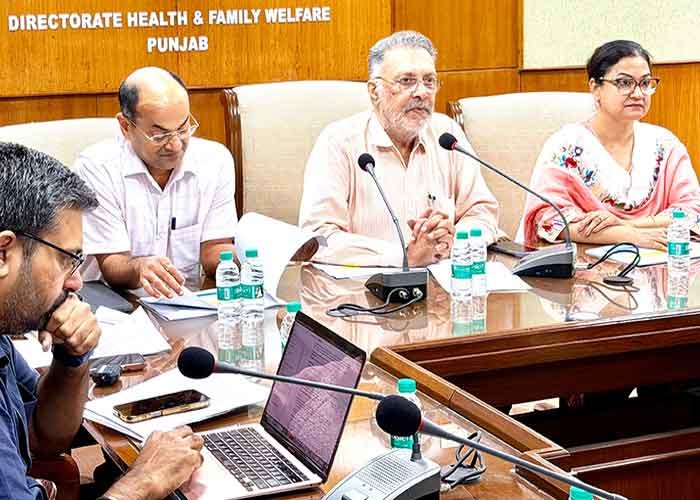
Punjab Health and Family Welfare Minister Dr Balbir Singh on Tuesday chaired a high-level review meeting to assess measures for preventing and controlling vector-borne and water-borne diseases across the state, stressing intensified surveillance of dengue larvae and greater community participation.
The meeting was held at the Directorate of Health Services (DHS) in the presence of Principal Secretary Health Kumar Rahul, Punjab Development Commission member Anurag Kundu, Special Secretary Health-cum-Managing Director, National Health Mission (NHM), Sakshi Sawhney, Director Health Services Dr Hitinder Kaur and Director Health Services (Family Welfare) Dr Aditi Salaria.
Deputy Director Dr Rohini Goyal, Assistant Director Dr Manmeet Kaur and State Programme Officer Dr Arshdeep Kaur also attended the meeting. Deputy Commissioners, Civil Surgeons and District Epidemiologists joined virtually.
Reviewing the latest epidemiological data, Dr Balbir Singh said Punjab had reported no confirmed dengue-related deaths so far this year, attributing the situation to preventive and surveillance measures.
According to the data reviewed at the meeting, 1,00,414 dengue samples had been tested up to September 21, including 64,049 samples tested at Aam Aadmi Clinics. Of these, 451 tested positive, putting the positivity rate at 0.45 per cent.
The minister appreciated Amritsar and Jalandhar for their extensive dengue testing efforts. He also reviewed the state’s 16 reported chikungunya cases this year.
“We are going a step ahead. Instead of merely tracking dengue cases, our priority is aggressively tracking and destroying dengue larvae,” Dr Balbir Singh said.
He directed Deputy Commissioners and health authorities to conduct regular reviews and intensify field surveillance, particularly through frequent visits by epidemiology teams to identified dengue hotspots. He also called for stronger follow-up mechanisms to ensure that preventive measures are implemented on the ground.
Emphasising coordination between departments and community participation, the minister directed districts to involve ASHA workers and nursing students in door-to-door surveys aimed at identifying and eliminating mosquito breeding sites.
He also called for active meetings of Village Health, Sanitation and Nutrition Committees (VHSNCs) at the village level. The minister said ASHA workers undertaking door-to-door survey activities were being provided appropriate payments and incentives.
Dr Balbir Singh specifically appreciated Faridkot for achieving 100 per cent participation of nursing students in anti-dengue field activities and urged other districts to increase student involvement.
He directed districts with higher caseloads, including Ludhiana, Kapurthala, Faridkot and Tarn Taran, to intensify VHSNC meetings, field inspections and ASHA engagement. Local authorities were also instructed to undertake indoor and outdoor fogging wherever required based on local conditions.
During the meeting, the minister also reviewed the situation concerning water-borne diseases, including acute diarrhoeal diseases, cholera and hepatitis outbreaks.
He directed officials to maintain strict surveillance of water quality and conduct regular testing of drinking water sources. Any leakage in pipelines or contamination of water supply channels, he said, should be addressed immediately.
Healthcare institutions were also asked to maintain adequate buffer stocks of oral rehydration solution (ORS), intravenous fluids, chlorine tablets and essential medicines to respond to disease outbreaks.
Dr Balbir Singh further reviewed the distribution of Mukh Mantri Sehat Yojana (MMSY) cards and directed Deputy Commissioners and district health authorities to properly organise card distribution programmes at the village and mohalla levels.
Calling for coordinated action by all departments, the minister urged citizens to participate actively in efforts to eliminate mosquito breeding sources.
“The success of disease prevention lies in community ownership. By ensuring clean surroundings and checking stagnant water, we can together keep Punjab healthy and disease-free,” he said.
 FOLLOW NOW