New Delhi, September 22, 2026 (Yes Punjab News)
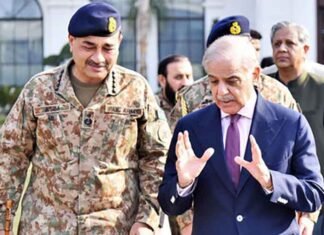
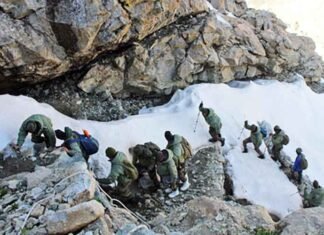
Renewed cross-border strikes and clashes between Pakistan and Afghanistan have brought the long-running dispute over the Durand Line back into focus, with Islamabad accusing the Afghan Taliban of sheltering militant groups while Kabul rejects the allegations and has protested Pakistani military action.
Pakistan has said its recent airstrikes inside Afghanistan targeted militants, including Tehrik-e-Taliban Pakistan (TTP) elements that Islamabad accuses of operating from Afghan territory. Afghan authorities, however, have condemned the strikes and said civilians were among those killed.
On Monday, Pakistan said its airstrikes on three targets in Afghanistan killed 28 people described by Islamabad as militants and suicide bombers. Afghan Taliban officials and the United Nations subsequently confirmed civilian casualties, with UNAMA reporting that three civilians were killed in the latest strikes.
The latest escalation follows months of cross-border tensions. UNAMA has documented substantial civilian casualties from fighting between Pakistani forces and Afghanistan’s de facto security forces. Between January and March 2026, UNAMA recorded 764 civilian casualties in Afghanistan, including 372 deaths and 392 injuries, with most attributed to airstrikes.
UNAMA has repeatedly called for an end to the hostilities and urged both sides to comply with international humanitarian law. In June, the UN mission said at least 28 civilians were killed and 49 injured in Pakistani airstrikes in Paktya, Paktika and Kunar provinces.
At the centre of the dispute is the Durand Line, the roughly 2,600-km boundary drawn in 1893 between British India and Afghanistan by Sir Mortimer Durand. Pakistan regards the line as its legitimate international border, inherited at independence in 1947, while successive Afghan governments have refused to recognise it as an international frontier.
Afghanistan has argued that the boundary unfairly divides Pashtun communities and has questioned the validity of agreements associated with its establishment. The issue has remained a major source of mistrust between the two countries for decades.
The dispute also has a strong ethnic dimension. Pashtuns form the dominant population in Pakistan’s northwestern Khyber Pakhtunkhwa province and are also concentrated in parts of Balochistan, Sindh and Punjab. On the Afghan side, large Pashtun populations live in areas bordering Pakistan.
Relations between the two countries have repeatedly deteriorated over the border issue and allegations of militant activity. During the 1970s and 1980s, Pakistan’s support for Afghan Islamist groups during the Soviet occupation further deepened mistrust in Kabul.
Pakistan was among the three countries that recognised the first Taliban government in 1996, along with Saudi Arabia and the UAE. Relations later became strained, particularly after the September 11, 2001 attacks and Pakistan’s decision to join the US-led campaign in Afghanistan.
After the Taliban returned to power in August 2021 following the withdrawal of US-led forces, initial expectations of closer Pakistan-Afghanistan ties soon gave way to tensions over the Durand Line and Islamabad’s allegations regarding the presence of TTP militants in Afghanistan.
The latest strikes and border clashes have added a fresh security dimension to an already unresolved territorial dispute, while repeated disruptions along key crossings have also affected trade and movement between the two neighbours.
 FOLLOW NOW