
New Delhi, September 22, 2026 (Yes Punjab News)
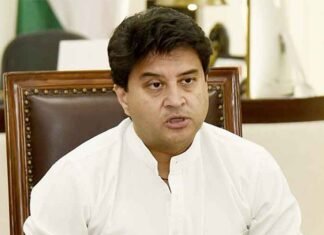
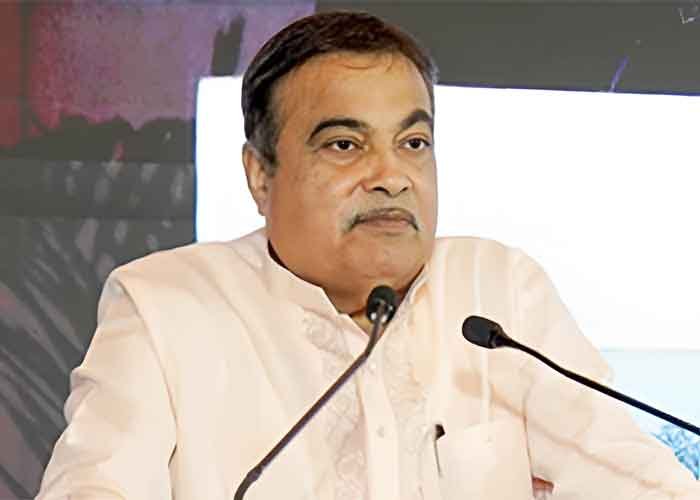
Union Minister for Road Transport and Highways Nitin Gadkari on Tuesday said sugar prices are primarily shaped by global demand and supply conditions, leaving governments with limited scope to determine agricultural commodity prices in an increasingly integrated world economy.
Speaking at an event organised by the National Federation of Cooperative Sugar Factories Ltd (NFCSF), Gadkari responded to demands from state ministers and industry representatives for an increase in the minimum support price for sugar. His remarks came amid domestic retail sugar prices rising to record levels of more than Rs 70 per kg as supplies tighten.
Gadkari said international production and consumption trends have a significant bearing on agricultural commodity prices, with developments in major producing countries influencing markets worldwide.
“We are in a global economy now, and no government can decide the rates of agricultural produce in such an economy, even if they wanted to,” he said, pointing to the practical limitations of administered pricing.
The minister cited Brazil’s large-scale mechanised farming as a key factor behind its lower sugar production costs. He said sugar production costs in Brazil are around Rs 23 per kg, compared with Rs 33-34 per kg in India.
According to Gadkari, surplus sugar production in Brazil can put downward pressure on prices in the Indian market, highlighting the competitive challenges faced by domestic producers.
He also linked the broader concerns in the agricultural sector to the economic viability of farming, noting that farmer distress in several parts of the country reflects the difficulties many cultivators face in earning sustainable incomes.
Gadkari said improving farm incomes would require innovation and diversification rather than continued dependence on conventional agricultural activities alone.
He further argued that the sugar industry should reduce its reliance solely on sugar production and explore additional revenue opportunities through by-products and value-added activities.
Among the areas he highlighted were biomass utilisation, straw-based products and organic manure, which he said could provide additional income streams for both sugar mills and farmers.
 FOLLOW NOW