New Delhi, August 27, 2026 (Yes Punjab News)
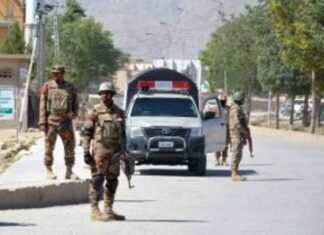
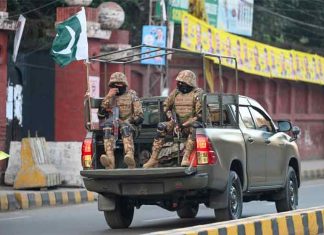
Pakistan is facing continuing unrest and security challenges across Balochistan, Pakistan-occupied Kashmir (PoK), Gilgit-Baltistan and Khyber Pakhtunkhwa (KP), while growing restrictions on media access have raised concerns over the visibility of developments in these regions.
Recent reports have documented protests and violence in PoK, alongside insurgent activity in Balochistan and KP. In August, Pakistan introduced new rules requiring foreign journalists and Pakistani staff working with international media to obtain government clearance for reporting outside Islamabad, Lahore and Karachi. Press freedom groups have criticised the measures, warning that they could encourage self-censorship.
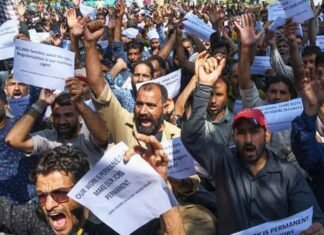
The restrictions followed extensive international coverage of unrest in PoK, where protests linked to political and electoral issues turned violent. Reports said internet and communications services were disrupted during the unrest, while journalists covering the developments faced restrictions.
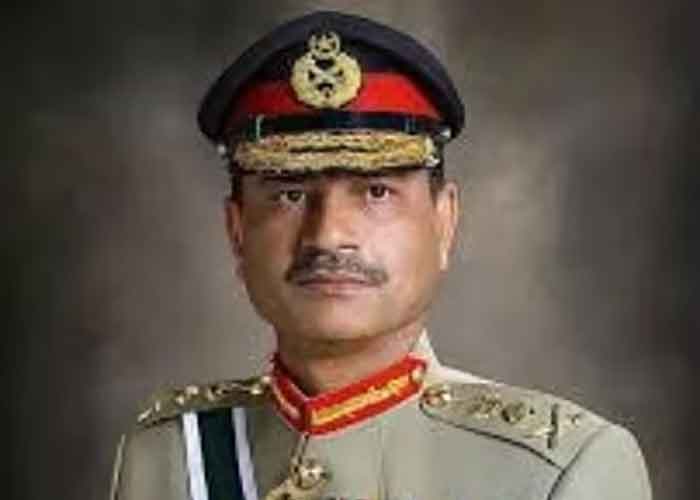
The Pakistani military has consistently framed unrest in Balochistan and KP primarily as a security challenge. Field Marshal Asim Munir recently described militant groups as foreign-backed proxies seeking to destabilise Balochistan, while emphasising the need for a clear national narrative and lasting stability in the province.
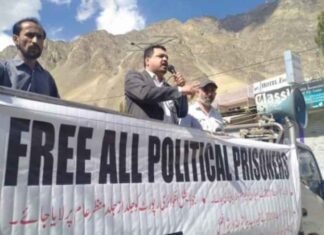
Critics, however, argue that such framing can overshadow local grievances involving governance, political representation, economic conditions and civil rights. Reports from PoK have highlighted demands for electoral reforms and greater political rights, while Balochistan has faced a long-running insurgency and allegations of rights abuses.
The tightening of media access has intensified the debate over how developments in Pakistan’s restive regions are being reported. The Committee to Protect Journalists said the new guidelines make independent coverage more difficult, particularly outside the country’s three major cities.
Pakistan’s government has defended the media rules as regulatory measures, while press freedom organisations have described them as excessive restrictions. The government has also maintained that security concerns and the activities of militant groups justify its approach to reporting from sensitive areas.
With protests, insurgency and political grievances continuing across several regions, the gap between official security narratives and accounts from local communities and independent observers is likely to remain a major issue in assessing the situation on the ground.
 FOLLOW NOW