
New Delhi, August 30, 2026 (Yes Punjab News)
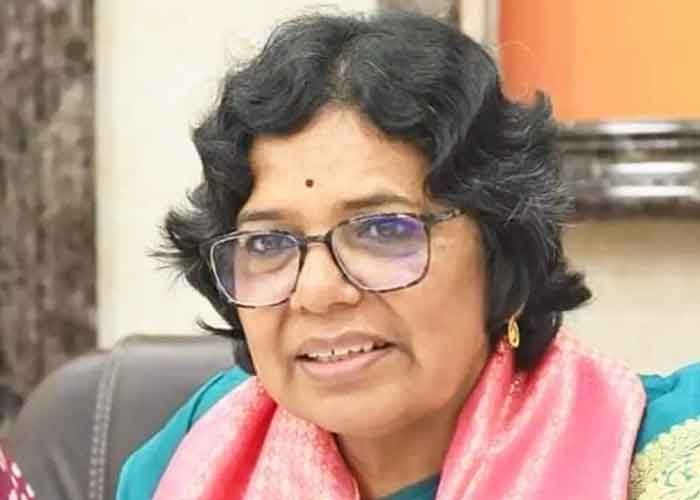
National Commission for Women (NCW) Chairperson Vijaya Rahatkar on Sunday urged women to remain aware of their right to file a “Zero FIR” for a cognisable offence at any police station, irrespective of where the incident took place.
In a post on X, Rahatkar said women could approach their nearest police station to register a complaint involving a cognisable offence.
“Zero FIR is your right! You can file a complaint for any cognizable offence at your nearest police station, regardless of where the incident occurred,” she said.
Explaining the procedure, Rahatkar said that after registration, a Zero FIR is transferred to the police station having jurisdiction over the case. She advised women to submit a written complaint and approach a senior police officer if police personnel refuse to register an FIR.
The NCW chairperson also shared an educational pamphlet explaining the Zero FIR facility and encouraged women to remain informed about their legal rights and speak up when necessary.
Her message came a day after she chaired a capacity-building workshop for elected women representatives from panchayats and urban local bodies in Maharashtra.
The NCW, in collaboration with the Yashwantrao Chavan Academy of Development Administration (YASHDA), organised the ‘She Is a Change Maker’ workshop at MGM Medical College. More than 300 elected representatives from Chhatrapati Sambhajinagar, Jalna and Beed districts participated, including sarpanchs, district council members, panchayat samiti members and representatives of municipal councils and corporations.
Rahatkar said the Maharashtra government, with the support of YASHDA, would facilitate 12 such training camps across the state. The first camp was organised in Chhatrapati Sambhajinagar.
The workshop focused on the role and responsibilities of women representatives and strengthening their leadership in grassroots governance.
Rahatkar said elected representatives should understand their rights and responsibilities, participate actively in meetings, regularly visit villages to understand citizens’ problems and maintain transparency regarding funds, files and government schemes.
She also stressed the need for coordination with administrative officers, monitoring the implementation of government schemes, continuous skill development through training and workshops, and adherence to honesty, discipline and public welfare.
 FOLLOW NOW