New Delhi, August 25, 2026 (Yes Punjab News)
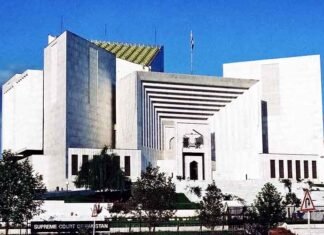
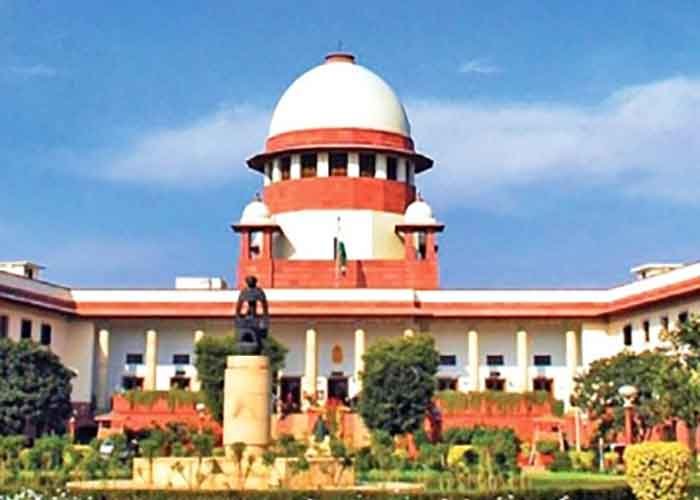
The Supreme Court has reiterated that courts granting bail in serious offences such as murder must record clear and justifiable reasons after considering the material on record, holding that an order passed without proper application of mind can be set aside by a superior court.
A Bench of Justices Vikram Nath and Sandeep Mehta made the observation while cancelling the bail granted to two accused in a Maharashtra murder case in which a man was allegedly doused with petrol and set on fire.
The court set aside the Bombay High Court’s order granting bail to accused No. 4 Jyotiraditya Ajitsinh Jadhav and the trial court’s decision granting bail to accused No. 3 Pruthviraj Rajendra Shinde. It, however, upheld the bail granted to accused No. 5 Ranjit alias Dadaso Balkrushna Mane and dismissed accused No. 2 Yash Mahesh Gaikwad’s appeal against rejection of his regular bail plea.
Referring to earlier judgments, the Supreme Court said bail in serious offences cannot be granted as a matter of routine. While a court is not required to conduct a detailed examination of evidence at the bail stage, it must indicate reasons for reaching a prima facie conclusion that bail should be granted, particularly when the allegations involve a grave offence such as murder.
The case arose from an FIR registered in 2024 at Satara Taluka Police Station under Sections 302, 307, 323, 109, 504 and 506 read with Section 34 of the Indian Penal Code.
According to the prosecution, a group of persons allegedly went to the deceased complainant’s residence after demanding that his son apologise over a dispute arising during his wedding. The group allegedly assaulted the complainant, poured petrol over him and set him ablaze.
Three persons initially described as unidentified accomplices in the FIR — Yash, Pruthviraj and Jyotiraditya — were subsequently identified through a test identification parade. Their identification was further supported by CCTV footage and mobile-phone video recordings collected during the investigation.
The High Court had granted bail to Jyotiraditya after noting the allegation that he recorded the incident but did not participate in setting the victim on fire. Pruthviraj was later granted bail by the trial court on the ground of parity with co-accused who had already secured bail.
The Supreme Court found that both courts had overlooked significant circumstances mentioned in the FIR, including allegations that the accused had repeatedly attacked the complainant’s house, threatened his family and arrived together in a four-wheeler carrying a petrol can.
The Bench said the circumstances prima facie indicated that the accused had acted in concert and that the incident was not the outcome of a sudden quarrel but an allegedly pre-planned attack.
The court stressed that bail decisions in serious criminal cases must consider the nature and gravity of the allegations, the manner in which the offence was allegedly committed and the specific role attributed to each accused.
It directed Jyotiraditya and Pruthviraj to surrender within three weeks, failing which the trial court would take steps for their arrest. The trial court was also directed to conclude the proceedings within two years.
The Supreme Court clarified that its observations were confined to the question of bail and would not affect the trial or the final determination of the case on merits.
 FOLLOW NOW