Geneva, September 15, 2026 (Yes Punjab News)
An Indian NGO has called for a review of the Indus Waters Treaty (IWT), arguing at the United Nations Human Rights Council (UNHRC) that changing water-security conditions in the region warrant a reassessment of the 1960 India-Pakistan agreement from a contemporary human-rights perspective.
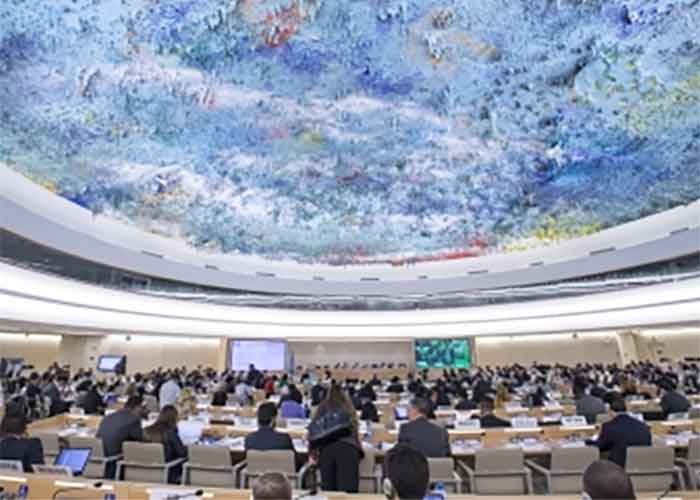
The Delhi-based NGO made the appeal through an oral statement during the 63rd Session of the UNHRC under Item 3, in an interactive dialogue with the Special Rapporteur on the human rights to safe drinking water and sanitation.
The NGO said access to safe water is closely connected with the rights to life, health, food, housing, dignity and development. Referring to the UN recognition of access to safe and clean drinking water and sanitation as a fundamental human right, it argued that international water treaties should be implemented in ways that enable states to meet their human-rights obligations.
The organisation noted that the IWT, signed on September 19, 1960, has been an important example of long-standing cooperation between India and Pakistan. However, it said the region’s water-security environment has changed substantially over the past six decades due to population growth, climate change, glacier retreat, groundwater depletion and increasingly unpredictable river flows.
The NGO argued that contemporary implementation of the treaty should not restrict states from fulfilling their responsibilities towards communities under their jurisdiction. It described a review of the IWT as imperative, particularly in view of its current abeyance.
Meanwhile, India has rejected a recent award issued by what it described as an “illegally constituted” Court of Arbitration concerning the status of the IWT and interim measures related to the Ratle Hydro-Electric Plant.
The Ministry of External Affairs has maintained that India does not recognise the jurisdiction of the Court of Arbitration and has refused to participate in its proceedings. The MEA has also reiterated that India’s decision to hold the IWT in abeyance remains in force.
India placed the treaty in abeyance following the Pahalgam terror attack, stating that the measure would remain until Pakistan credibly and irrevocably ends its support for cross-border terrorism.
 FOLLOW NOW